


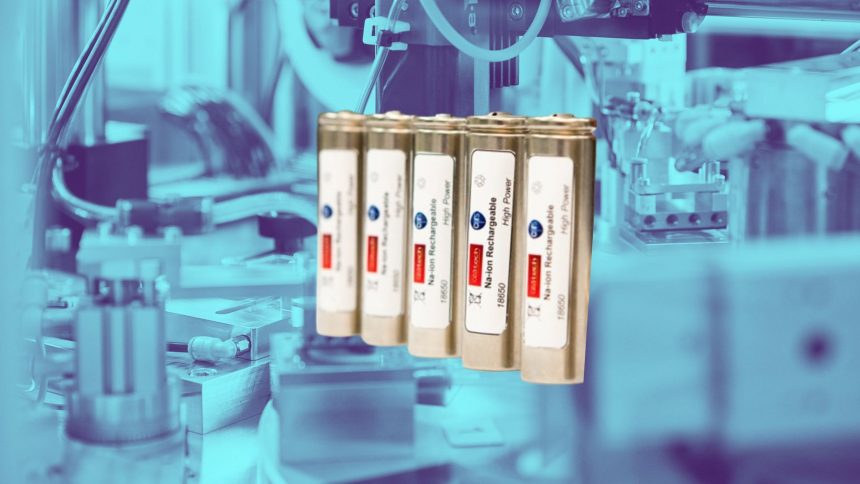
In our quest for more sustainable and efficient energy storage solutions, the spotlight has often been on lithium-ion batteries. These powerhouses have become ubiquitous in everything from smartphones to electric vehicles. But, as demand continues to surge, so do concerns about the sustainability, cost, and environmental impact of lithium. This has led researchers to explore alternative technologies, with sodium-ion batteries emerging as a promising contender. Could sodium-ion batteries be the game-changer we need? Let’s delve into their potential and see how they stack up against the current lithium-ion standard.
The Current Landscape of Battery Technology
The Dominance of Lithium-Ion Batteries
Lithium-ion batteries have been the gold standard in battery technology for decades. Their high energy density, long cycle life, and ability to deliver consistent power make them ideal for a wide range of applications. Whether it’s powering our mobile devices, laptops, or the growing fleet of electric vehicles, lithium-ion batteries are at the heart of modern technology.
However, this dominance comes with its own set of challenges. Lithium is a relatively rare element, with major deposits concentrated in a few geographic locations. This has led to supply chain issues and significant price volatility. Moreover, the extraction and processing of lithium are both energy-intensive and environmentally damaging, raising concerns about the long-term sustainability of this technology.
Challenges with Lithium-Ion Batteries
Despite their advantages, lithium-ion batteries are not without their drawbacks. One of the primary issues is their environmental impact. The mining of lithium, cobalt, and other essential materials often results in significant ecological disruption and pollution. Additionally, the production process is highly energy-intensive, contributing to greenhouse gas emissions.
Safety is another concern. Lithium-ion batteries are prone to overheating and, in some cases, can catch fire or explode if damaged or improperly handled. This has led to a growing interest in finding safer, more sustainable alternatives. Enter sodium-ion batteries – a technology that could potentially address many of these issues.
Exploring Sodium-Ion Batteries
What are Sodium-Ion Batteries?
Sodium-ion batteries operate on a similar principle to lithium-ion batteries, but with one crucial difference: they use sodium ions instead of lithium ions to store and transfer energy. Sodium, being more abundant and easier to obtain than lithium, offers a compelling alternative. The basic components of a sodium-ion battery include a cathode, an anode, and an electrolyte, just like their lithium counterparts. However, the materials used in these components differ, which impacts the battery’s overall performance and characteristics.
One of the significant advantages of sodium-ion batteries is their potential for cost reduction. Sodium is readily available and inexpensive, which could lead to cheaper battery production and, consequently, more affordable end products. But how do they really compare to lithium-ion batteries in terms of performance?
Key Differences Between Sodium-Ion and Lithium-Ion Batteries
While both battery types share a similar operational mechanism, several key differences set them apart. Firstly, sodium ions are larger than lithium ions, which affects the battery’s energy density. Generally, sodium-ion batteries have a lower energy density compared to lithium-ion batteries, meaning they store less energy for the same volume.
However, sodium-ion batteries have shown better performance in terms of safety and stability. They are less prone to overheating and have a lower risk of fire or explosion. This makes them particularly appealing for applications where safety is paramount.
Another difference lies in the materials used for the electrodes. Sodium-ion batteries often use more abundant and less expensive materials, which can significantly reduce the overall cost. This affordability, combined with their enhanced safety profile, positions sodium-ion batteries as a strong candidate for specific applications, despite their lower energy density.
Advantages of Sodium-Ion Batteries
Abundance and Cost-Effectiveness of Sodium
One of the most compelling arguments for sodium-ion batteries is the abundance of sodium. Sodium is the sixth most abundant element on Earth and can be sourced from seawater, making it virtually inexhaustible. This contrasts sharply with lithium, which is less abundant and geographically concentrated, leading to supply chain vulnerabilities.
The cost-effectiveness of sodium is another major advantage. Because sodium is so readily available, the raw material costs for sodium-ion batteries are significantly lower than those for lithium-ion batteries. This could translate to lower prices for consumers and broader accessibility, especially in markets where cost is a critical factor.
Environmental Benefits
Sodium-ion batteries also hold promise from an environmental perspective. The extraction and processing of sodium are far less harmful to the environment compared to lithium. There is less ecological disruption, lower water usage, and reduced chemical pollution. This makes sodium-ion batteries a more sustainable choice, aligning with the growing emphasis on green technologies and sustainable development.
Moreover, the potential to source sodium from seawater offers a virtually limitless supply, which could mitigate many of the environmental issues associated with mining. This not only reduces the ecological footprint but also enhances the sustainability of the entire supply chain, from raw material extraction to battery production and disposal.
Performance and Safety
Safety is a critical consideration in battery technology, and here, sodium-ion batteries shine. They are inherently more stable than lithium-ion batteries, with a significantly lower risk of thermal runaway and fires. This makes them particularly suitable for large-scale energy storage systems and applications where safety is a paramount concern.
In terms of performance, while sodium-ion batteries currently lag behind lithium-ion batteries in energy density, they offer other benefits such as better thermal stability and longer cycle life in some configurations. Research and development are continuously improving these aspects, with recent advancements showing promise in closing the performance gap.
Challenges and Limitations of Sodium-Ion Batteries
Energy Density Concerns
One of the most significant challenges facing sodium-ion batteries is their lower energy density. Energy density refers to the amount of energy a battery can store relative to its size. Currently, sodium-ion batteries have an energy density of about 100-150 Wh/kg, compared to 150-200 Wh/kg for lithium-ion batteries. This means that for the same weight, sodium-ion batteries store less energy.
This limitation impacts their use in applications where space and weight are critical factors, such as in electric vehicles and portable electronics. To become a viable alternative in these markets, sodium-ion technology needs to achieve significant improvements in energy density.
Technical Hurdles and Research Needs
Another challenge is the technical hurdles associated with the development of sodium-ion batteries. The larger ionic radius of sodium ions compared to lithium ions leads to more substantial strain on the electrode materials, which can reduce the battery’s lifespan. Finding suitable materials that can withstand these strains while maintaining high performance is a key area of ongoing research.
Additionally, the development of electrolytes that are compatible with sodium ions and can operate efficiently over a wide range of temperatures is another area requiring significant advancements. Researchers are exploring various materials and designs to address these issues, but widespread commercial deployment is still some years away.
Recent Developments and Innovations
Breakthroughs in Sodium-Ion Technology
Despite the challenges, there have been notable breakthroughs in sodium-ion technology. Researchers have been experimenting with various cathode materials, such as sodium manganese oxide and sodium vanadium phosphate, which show promise in enhancing the energy density and cycle life of sodium-ion batteries. Innovations in anode materials, including hard carbon and other novel compounds, are also contributing to improved performance.
One exciting development is the use of solid-state electrolytes, which could significantly enhance the safety and stability of sodium-ion batteries. Solid-state electrolytes eliminate the risk of leakage and are less flammable than liquid electrolytes, making the batteries safer for a wider range of applications.
Prominent Players and Research Institutions
Several prominent players and research institutions are leading the charge in sodium-ion battery development. Companies like Faradion and Natron Energy are at the forefront, with Faradion recently announcing plans to commercialize sodium-ion batteries for electric vehicles and grid storage.
Research institutions such as the Pacific Northwest National Laboratory (PNNL) and the French Alternative Energies and Atomic Energy Commission (CEA) are also making significant strides. These organizations are exploring new materials and designs to overcome current limitations and unlock the full potential of sodium-ion technology.
See Also: AI Technology: Pioneering Trends Shaping the Future of Intelligent Solutions (blogtech.net)
Future Prospects and Applications
Potential Applications in Various Industries
The potential applications of sodium-ion batteries are vast and varied. One of the most promising areas is in large-scale energy storage systems. The stability, safety, and cost-effectiveness of sodium-ion batteries make them ideal for use in grid storage, where they can help balance supply and demand, integrate renewable energy sources, and provide backup power during outages.
Another promising application is in low-speed electric vehicles, such as e-bikes and scooters. The lower energy density of sodium-ion batteries is less of an issue in these applications, where safety, cost, and longevity are more critical factors.
Market Outlook and Adoption Potential
The market outlook for sodium-ion batteries is promising, especially as advancements continue to improve their performance and reduce costs. While they may not completely replace lithium-ion batteries in high-energy applications like electric vehicles in the near term, they are poised to carve out significant niches in areas where their unique advantages can be fully leveraged.
Adoption potential is particularly high in regions where cost and sustainability are key considerations. As more companies and industries prioritize green technologies and sustainable practices, sodium-ion batteries could see rapid growth and widespread adoption.
Conclusion
Sodium-ion batteries represent a promising alternative to lithium-ion technology, with potential advantages in terms of cost, sustainability, and safety. While challenges remain, ongoing research and development are steadily overcoming these hurdles, paving the way for wider adoption. As the demand for efficient and eco-friendly energy storage solutions continues to grow, sodium-ion batteries could play a crucial role in our energy future.
FAQs
- 1. What are the main advantages of sodium-ion batteries over lithium-ion batteries? The main advantages of sodium-ion batteries include their cost-effectiveness due to the abundance of sodium, their improved safety and stability, and their lower environmental impact compared to lithium-ion batteries.
- 2. What are the current challenges facing sodium-ion battery technology? Current challenges include their lower energy density compared to lithium-ion batteries, technical hurdles related to finding suitable electrode materials, and the need for advancements in electrolyte technology.
- 3. Are sodium-ion batteries commercially available? As of now, sodium-ion batteries are not yet widely commercially available, but several companies and research institutions are working towards commercialization, with promising developments in recent years.
- 4. How do sodium-ion batteries impact the environment? Sodium-ion batteries have a lower environmental impact than lithium-ion batteries. Sodium is more abundant and easier to extract, reducing ecological disruption and pollution associated with mining and processing.
- 5. In what applications are sodium-ion batteries most suitable? Sodium-ion batteries are particularly suitable for large-scale energy storage systems, low-speed electric vehicles, and other applications where cost, safety, and sustainability are more critical than high energy density.