

In the race towards sustainable transportation, two prominent contenders have emerged: hydrogen fuel cells and batteries. As electric vehicles (EVs) gain momentum, it’s crucial to examine the strengths and weaknesses of these power sources. Are hydrogen fuel cells the future of clean mobility, or will batteries continue to dominate the market? Let’s delve into the pros and cons of each technology to uncover the answers.
Table of Contents
ToggleHydrogen Fuel Cells
Advantages of Hydrogen Fuel Cells
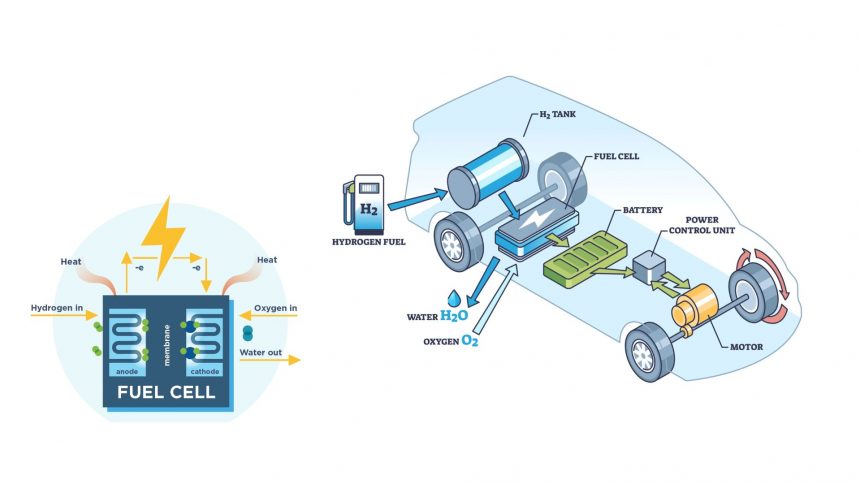
Hydrogen fuel cells offer a promising pathway to emission-free transportation. Unlike traditional internal combustion engines, hydrogen fuel cells produce electricity through a chemical reaction between hydrogen and oxygen, emitting only water vapor as a byproduct. This process eliminates harmful emissions, making hydrogen fuel cells a compelling option for reducing greenhouse gas emissions and combating air pollution. Moreover, hydrogen fueling stations can replenish a vehicle’s tank in a matter of minutes, offering drivers a similar refueling experience to conventional gasoline cars. Paired with their longer driving range compared to battery-powered EVs, hydrogen fuel cells present an attractive solution for long-distance travel without compromising convenience or performance.
Disadvantages of Hydrogen Fuel Cells
Despite their environmental benefits, hydrogen fuel cells face significant challenges. One of the most pressing issues is the lack of infrastructure to support widespread adoption. Unlike battery charging stations, hydrogen fueling stations are scarce, limiting the accessibility of hydrogen-powered vehicles for consumers. Additionally, the efficiency of hydrogen production, distribution, and conversion into electricity remains lower than that of batteries, resulting in higher energy consumption and costs. Addressing these infrastructure and efficiency concerns is essential for realizing the full potential of hydrogen fuel cells as a sustainable transportation solution.
Batteries
Advantages of Batteries
Batteries have become the cornerstone of the electric vehicle revolution, thanks to their established infrastructure and continuous technological advancements. With a growing network of charging stations worldwide, battery-powered EVs offer drivers the convenience of recharging at home, work, or public facilities. Furthermore, advancements in battery technology have led to improvements in energy density, driving range, and charging speeds, making electric vehicles more practical and appealing to consumers. As battery costs continue to decline and energy storage capacities increase, the scalability and affordability of electric vehicles are poised to expand rapidly, driving the transition towards a cleaner transportation system.
Disadvantages of Batteries
Despite their widespread adoption, batteries are not without limitations. Electric vehicles powered by batteries typically have shorter driving ranges compared to hydrogen fuel cell vehicles, and recharging can take significantly longer than refueling with hydrogen. Moreover, the environmental impact of battery production, particularly the mining and processing of raw materials such as lithium and cobalt, raises concerns about sustainability and resource depletion. Balancing the environmental benefits of zero-emission driving with the ecological footprint of battery manufacturing presents a complex challenge for the future of electric mobility.
Comparison
Environmental Impact
When comparing the environmental impact of hydrogen fuel cells and batteries, it’s essential to consider the entire lifecycle of each technology. While hydrogen fuel cells produce zero emissions during operation, the production of hydrogen often relies on fossil fuels, resulting in greenhouse gas emissions. However, advancements in renewable hydrogen production methods, such as electrolysis powered by solar or wind energy, hold promise for reducing the carbon footprint of hydrogen fuel cells. On the other hand, batteries emit no pollutants during operation, but their production involves energy-intensive processes and the extraction of finite resources. To mitigate these environmental concerns, efforts are underway to develop sustainable battery chemistries and recycling technologies to minimize waste and resource consumption.
Performance
In terms of performance, hydrogen fuel cells and batteries offer distinct advantages depending on the application. Hydrogen fuel cells excel in providing high power output and rapid refueling, making them well-suited for heavy-duty vehicles and long-haul transportation. The instant torque delivery of hydrogen fuel cells also enhances driving dynamics, offering a smooth and responsive acceleration experience. Conversely, batteries offer superior energy efficiency and are ideal for urban commuting and short-distance travel. With advancements in fast-charging technology, the inconvenience of longer charging times for batteries is gradually diminishing, further enhancing their appeal for everyday use. Ultimately, the choice between hydrogen fuel cells and batteries depends on factors such as driving habits, infrastructure availability, and performance requirements.
Economic Considerations
Cost Analysis
When evaluating the economic viability of hydrogen fuel cells versus batteries, several factors come into play. While hydrogen fuel cell vehicles tend to have higher upfront costs compared to battery-powered EVs, ongoing advancements in fuel cell technology are driving down production costs and improving efficiency. Additionally, government subsidies and incentives aimed at promoting clean transportation can help offset the initial investment in hydrogen infrastructure and vehicle purchase. On the other hand, batteries benefit from economies of scale and declining manufacturing costs, making electric vehicles increasingly affordable for consumers. As battery prices continue to drop and energy storage capacities increase, the total cost of ownership for electric vehicles is becoming increasingly competitive with traditional combustion engine vehicles.
Infrastructure Development
The development of infrastructure is a critical factor influencing the widespread adoption of hydrogen fuel cells and batteries. While battery charging infrastructure is relatively mature, with a network of charging stations deployed worldwide, hydrogen fueling infrastructure remains limited and concentrated in select regions. Expanding the hydrogen refueling network requires substantial investments in production, storage, and distribution infrastructure, along with regulatory support and industry collaboration. However, with governments and industry stakeholders recognizing the potential of hydrogen as a clean energy carrier, initiatives are underway to accelerate the deployment of hydrogen fueling stations and promote the growth of the hydrogen economy.
See Also: Adobe Project Music: Achieve Harmony with GenAI (blogtech.net)
Future Outlook
Technological Advancements
The future of hydrogen fuel cells and batteries in the EV industry is shaped by ongoing technological advancements and innovation. Research and development efforts are focused on improving the efficiency, durability, and affordability of both hydrogen fuel cells and batteries. Breakthroughs in materials science, catalyst development, and manufacturing processes hold the key to unlocking the full potential of these technologies. Moreover, the integration of hydrogen fuel cells and batteries with renewable energy sources such as solar and wind power presents exciting opportunities for decarbonizing transportation and achieving energy independence. By harnessing the power of innovation, the automotive industry is poised to usher in a new era of sustainable mobility driven by hydrogen and batteries.
Market Trends
The trajectory of hydrogen fuel cells and batteries in the EV market is influenced by a multitude of factors, including regulatory policies, consumer preferences, and industry dynamics. As governments around the world enact stricter emissions standards and carbon pricing mechanisms, the demand for zero-emission vehicles is expected to soar, creating a favorable environment for hydrogen fuel cells and batteries. Moreover, the electrification of transportation is driving investments in charging infrastructure and hydrogen refueling stations, further catalyzing market growth. With major automakers committing to electrification and investing in hydrogen and battery technologies, the competition between these two power sources is intensifying, ultimately benefiting consumers through greater choice and innovation.
Conclusion
In conclusion, the comparison between hydrogen fuel cells and batteries for EVs reveals a complex landscape of opportunities and challenges. While hydrogen fuel cells offer zero-emission driving and rapid refueling capabilities, they face hurdles related to infrastructure development and cost competitiveness. On the other hand, batteries provide established infrastructure and improving technology, but their environmental footprint and charging limitations pose significant considerations. As the automotive industry navigates towards a sustainable future, the coexistence of hydrogen fuel cells and batteries is likely, with each technology catering to different use cases and market segments. By addressing the technical, economic, and infrastructure challenges, hydrogen fuel cells and batteries have the potential to revolutionize transportation and accelerate the transition to a cleaner, greener future.
Frequently Asked Questions (FAQs)
1. Are hydrogen fuel cells more efficient than batteries?
- Hydrogen fuel cells offer higher efficiency in terms of energy conversion compared to batteries, especially for heavy-duty vehicles and long-distance travel. However, the overall efficiency depends on factors such as infrastructure, vehicle design, and driving conditions.
2. How does the environmental impact of hydrogen fuel cells compare to batteries?
- While hydrogen fuel cells produce zero emissions during operation, the production of hydrogen often relies on fossil fuels, resulting in greenhouse gas emissions. Batteries, on the other hand, emit no pollutants during operation, but their production involves energy-intensive processes and resource extraction.
3. What are the main challenges facing the widespread adoption of hydrogen fuel cells?
- The lack of infrastructure, high upfront costs, and efficiency challenges are among the main obstacles to the widespread adoption of hydrogen fuel cells. Addressing these challenges requires investments in infrastructure development, technological innovation, and supportive policies.
4. Are there any government incentives available for hydrogen fuel cell vehicles?
- Many governments offer incentives, grants, and tax credits to promote the adoption of hydrogen fuel cell vehicles and infrastructure. These incentives aim to stimulate market demand, accelerate infrastructure deployment, and support research and development in the hydrogen sector.
5. How do hydrogen fuel cells and batteries complement each other in the EV market?
- Hydrogen fuel cells and batteries offer complementary strengths and capabilities, catering to different use cases and driving needs. While hydrogen fuel cells excel in long-range driving and rapid refueling, batteries are well-suited for urban commuting and short-distance travel. Together, they contribute to the diversification and electrification of the transportation sector, advancing towards a sustainable future.