

Introduction to Smart Home Devices
From Manual to Smart: A Brief History
The journey from manual to smart home devices has been a remarkable evolution, marking the transition from simple mechanical tools to sophisticated systems integrated with artificial intelligence and the Internet of Things (IoT). The concept of home automation began as early as the 1960s with the development of labor-saving machines, but it wasn’t until the advent of personal computers and the internet that the foundation for today’s smart home devices was laid.
Defining Smart Home Devices
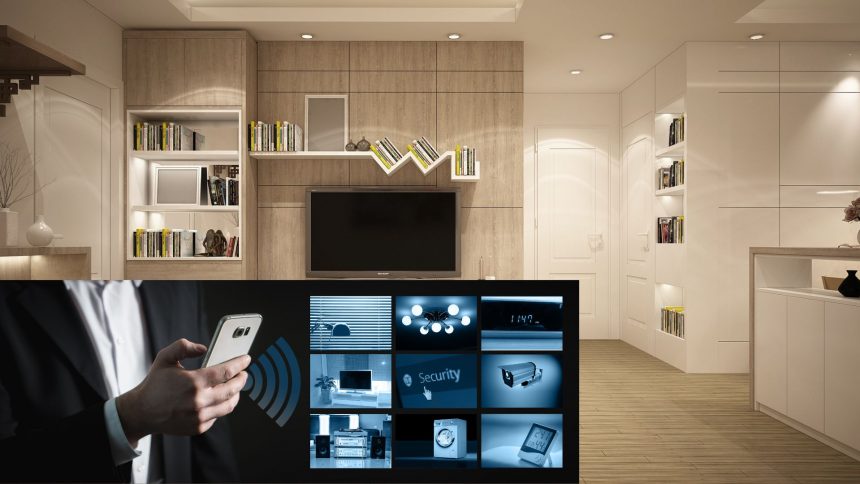
Smart home devices are characterized by their ability to connect, share data, and be remotely controlled. These devices range from lighting fixtures and thermostats to security cameras and voice assistants, all designed to enhance the convenience, comfort, and safety of the modern home.
Market Overview and Key Players
The smart home devices market is burgeoning, with key players like Amazon, Google, and Apple leading the charge. These companies have developed ecosystems of interconnected devices that offer users seamless control over their home environments.
Popular Smart Home Devices Today
Today’s most popular smart home devices include smart speakers, thermostats, lights, locks, and cameras. These devices not only respond to direct commands but also learn from user behavior to anticipate needs and preferences.
The Latest in Smart Home Technology
AI and Machine Learning Enhancements
Artificial intelligence and machine learning are at the forefront of the latest smart home technology. Devices equipped with these capabilities can analyze data and make decisions to optimize the home environment, providing a level of personalization and efficiency previously unattainable.
Interconnectivity and the Internet of Things (IoT)
The IoT has revolutionized smart home devices by enabling them to communicate with each other. This interconnectivity creates a network of devices that work in harmony to automate tasks and provide a cohesive user experience.
Intuitive Controls and Accessibility
Modern smart home devices boast intuitive controls and are designed with accessibility in mind. Whether through voice commands, mobile apps, or even gestures, users can interact with their devices in ways that feel natural and effortless.
Customization and Personalization
Customization is a key feature of smart home devices, allowing users to tailor their settings to match their lifestyle. Personalization algorithms learn from user interactions to create experiences that are unique to each individual.
See Also: Smart EV Chargers: Green Mobility with Cutting-Edge Technology (blogtech.net)
The Practicality of Smart Home Devices
Convenience and Time-Saving Benefits
Smart home devices are designed to streamline household tasks, offering convenience and saving valuable time. For instance, smart refrigerators can keep track of groceries and order replacements as needed, while smart ovens can be preheated remotely just in time for dinner. These devices work in tandem to simplify chores, allowing users to focus on more important aspects of their lives.
Energy Efficiency and Cost Savings
Another practical aspect of smart home devices is their contribution to energy efficiency and cost savings. Smart thermostats learn user preferences and adjust the home’s temperature for optimal comfort and energy use. Smart lighting systems can detect when rooms are unoccupied and turn off lights automatically, reducing unnecessary power consumption and lowering electricity bills.
Monitoring and Surveillance Capabilities
Safety is a paramount concern for homeowners, and smart home devices address this need through advanced monitoring and surveillance capabilities. Smart cameras and motion sensors provide real-time surveillance, accessible from anywhere in the world via smartphones, ensuring that homes are secure even when owners are away.
Automated Alerts and Emergency Responses
In addition to surveillance, smart home devices can send automated alerts in case of unusual activity or emergencies such as fires or gas leaks. They can also be integrated with local emergency services, ensuring a swift response when every second counts. This level of security provides peace of mind, knowing that the home and its occupants are protected by intelligent technology.
The Future of Smart Home Devices
Sustainability and Eco-Friendly Innovations
The future of smart home devices is closely tied to sustainability and eco-friendly practices. As environmental consciousness grows, homeowners are increasingly seeking devices that reduce energy consumption and minimize their carbon footprint. Solar-powered smart home systems, energy-efficient appliances, and water-saving technologies are becoming standard features. These innovations not only benefit the environment but also contribute to long-term cost savings for homeowners.
Integration with Wearable Technology
The convergence of smart home devices with wearable technology is an exciting trend. Imagine a seamless transition from your smartwatch to your smart home—where your arrival triggers the lights, adjusts the thermostat, and starts playing your favorite music. Wearable devices can provide real-time data about your health, sleep patterns, and preferences, allowing smart homes to adapt to your needs effortlessly.
The Role of AI in Future Smart Homes
Artificial intelligence will play an even more significant role in shaping the future of smart homes. AI algorithms will learn from user behavior, anticipate preferences, and optimize energy usage. Smart home assistants will become more intuitive, understanding context and providing personalized recommendations. Whether it’s adjusting the lighting based on your mood or suggesting recipes based on your dietary preferences, AI will seamlessly integrate into our daily lives.
Expanding Accessibility and Global Reach
Smart home devices are no longer limited to affluent homeowners; they are becoming accessible to a broader audience. As costs decrease and technology becomes more user-friendly, smart homes will reach a global market. From urban apartments to rural dwellings, smart home devices will enhance living conditions, improve safety, and create a more connected world.
Conclusion
Embracing the Smart Home Revolution
The smart home revolution is not just about gadgets; it’s about transforming the way we live. As technology continues to evolve, smart home devices will become an integral part of our daily routines. From energy savings to personalized experiences, these devices are revolutionizing comfort and convenience.
The Impact on Modern Living
Smart home devices are more than just tools; they are companions that adapt to our needs, enhance our well-being, and simplify our lives. As we embrace this technological shift, we’re not just upgrading our homes; we’re upgrading our entire lifestyle.
Final Thoughts on the Advancement of Smart Home Devices
The future of smart home devices holds endless possibilities. Whether it’s a voice-controlled coffee maker or a security system that recognizes family members, these innovations are making our homes smarter, safer, and more enjoyable. So, let’s welcome the era of smart living and look forward to a future where our homes truly work for us.
FAQs
Q1: Can I control smart home devices remotely? A1: Yes, most smart home devices can be controlled remotely through mobile apps or voice assistants. Whether you’re adjusting the thermostat, turning off lights, or checking security cameras, remote control is a key feature.
Q2: Are these home devices secure? A2: Security is a top priority for smart home devices. Manufacturers implement encryption, secure protocols, and regular software updates to protect against cyber threats. Users should also follow best practices, such as using strong passwords and keeping firmware up to date.
Q3: How do these home devices impact energy efficiency? A3: Smart home devices optimize energy usage by adjusting settings based on occupancy, time of day, and user preferences. For example, smart thermostats learn your schedule and adjust heating or cooling accordingly, leading to energy savings.
Q4: Can smart home devices improve safety for seniors? A4: Absolutely! Smart home devices enhance safety for seniors by providing features like fall detection, emergency alerts, and remote monitoring. They can also automate tasks, making daily living more manageable.
Q5: What’s the next big innovation in smart home devices? A5: The integration of AI and machine learning will drive the next wave of innovation. Expect devices that learn from user behavior, predict needs, and adapt to changing circumstances, making our homes even smarter and more intuitive.