

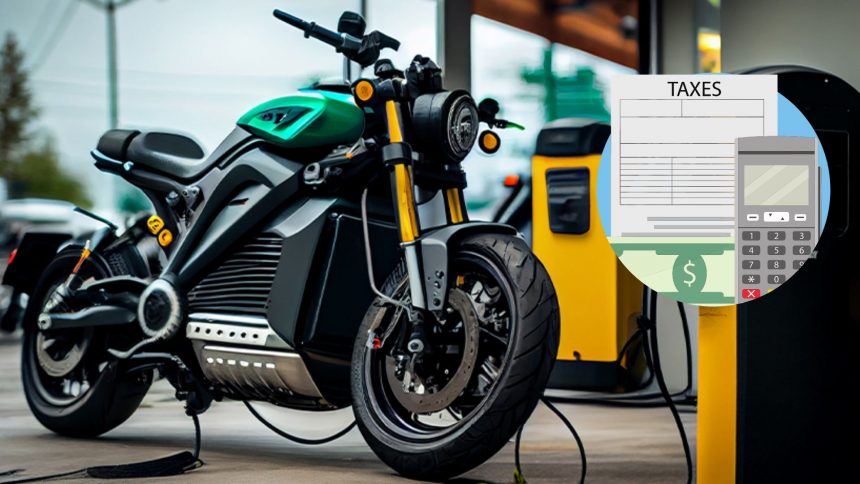
The E-Bikes Tax Credit is a significant stride in the United States’ journey towards a greener and more sustainable future. As part of the Build Back Better Act, this initiative aims to make electric bicycles more accessible and affordable for the average consumer. With a potential 30{426c2183a5125f60904d67abedeb5642d038d19aa8532f69eadbebf137277eb5} refundable tax credit on the purchase of new e-bikes, the landscape of urban transportation is poised for a transformative shift. This article will explore the intricacies of the E-Bikes Tax Credit, its implications for consumers and the environment, and the broader impact it may have on the e-bike industry.
Understanding the E-BIKE Act
Overview of the Act
The E-BIKE Act (Electric Bicycle Incentive Kickstart for the Environment) is a provision within the Build Back Better Act that aims to encourage the adoption of electric bicycles. As e-bikes gain popularity as a green alternative for transportation, this tax credit represents a significant milestone. Unlike previous subsidies that primarily focused on electric cars, the E-BIKE Act specifically targets e-bikes, recognizing their potential to revolutionize urban mobility.
Eligibility and Requirements
Here’s the lowdown: if you purchase a new e-bike priced at $4,000 or less, you could be eligible for a 30{426c2183a5125f60904d67abedeb5642d038d19aa8532f69eadbebf137277eb5} refundable tax credit. The credit applies to class 1, 2, or 3 e-bikes, which cover a wide range of models. But wait, there’s more! The income limits have been expanded to make the credit accessible to a broader audience. If you earn less than $75,000 (individual) or $150,000 (joint filers), you could receive up to a $900 credit per bike. As income levels increase, the credit gradually phases out, ensuring that lower-income earners also benefit from this green incentive.
The E-BIKE Act isn’t just about tax breaks; it’s about empowering individuals to reduce their carbon footprint while enjoying the convenience of e-bikes. Whether you’re commuting to work, running errands, or simply exploring your neighborhood, the E-BIKE Act invites you to pedal toward a greener future.
Financial Implications
Cost Savings for Consumers
The E-Bikes Tax Credit is more than just a fiscal perk; it’s a green gateway for consumers. Imagine purchasing a brand-new e-bike and receiving a 30{426c2183a5125f60904d67abedeb5642d038d19aa8532f69eadbebf137277eb5} refundable tax credit. That’s like getting a discount on your eco-friendly wheels. The credit applies to e-bikes priced at $4,000 or less, making it accessible to a wide range of buyers. Whether you’re a daily commuter, an occasional rider, or an adventure seeker, the E-Bikes Tax Credit puts money back in your pocket while you pedal toward a cleaner planet.
Impact on E-Bike Sales
E-bike sales are on the rise, and the E-Bikes Tax Credit is poised to accelerate this trend. According to Deloitte, e-bike sales are projected to reach a staggering 130 million by 2023, generating approximately $20 billion in revenue. With the tax credit incentivizing purchases, consumers are more likely to choose e-bikes over traditional bicycles or gas-guzzling cars. It’s a win-win: consumers save money, and the environment benefits from reduced emissions. As bike lanes expand and cities embrace e-bikes, the impact of this credit could be felt on every street corner.
Legislative Journey
Build Back Better Act Developments
The E-Bikes Tax Credit has been a hot topic in the legislative arena, and it found its home within the Build Back Better Act. This comprehensive bill aims to strengthen the social safety net, address climate-related challenges, and promote green transportation. The inclusion of the E-Bikes Tax Credit signifies a strategic move toward incentivizing sustainable mobility options.
The bill, which has already passed in the House of Representatives, offers a 30{426c2183a5125f60904d67abedeb5642d038d19aa8532f69eadbebf137277eb5} refundable tax credit for eligible e-bike purchases. But what’s changed? Initially, the credit applied to e-bikes priced under $4,000. However, the new version of the bill raises the bar—e-bikes costing less than $8,000 now qualify for the credit. It’s a win for consumers eyeing mid-range e-bikes that balance quality and affordability.
Congressional Support and Challenges
The E-Bikes Tax Credit enjoys bipartisan support, with lawmakers recognizing its potential impact on urban transportation and environmental goals. California Rep. Jimmy Panetta, along with fellow representatives Mike Thompson, Adam Schiff, and Earl Blumenauer, reintroduced the bill. Their collective effort emphasizes the importance of e-bike ownership, especially for low-income individuals seeking to reduce their carbon footprint.
However, legislative journeys are rarely smooth rides. While the E-Bikes Tax Credit was initially part of the Build Back Better Act, it faced scrutiny and negotiation during the legislative process. The final version reflects compromises and adjustments, including the income limits for maximum credits. By doubling the income thresholds, the bill aims to include a broader demographic, ensuring that green incentives reach those who need them most.
Legislative Journey
Build Back Better Act Developments
The E-Bikes Tax Credit has been a hot topic in the legislative arena, and it found its home within the Build Back Better Act. This comprehensive bill aims to strengthen the social safety net, address climate-related challenges, and promote green transportation. The inclusion of the E-Bikes Tax Credit signifies a strategic move toward incentivizing sustainable mobility options.
The bill, which has already passed in the House of Representatives, offers a 30{426c2183a5125f60904d67abedeb5642d038d19aa8532f69eadbebf137277eb5} refundable tax credit for eligible e-bike purchases. But what’s changed? Initially, the credit applied to e-bikes priced under $4,000. However, the new version of the bill raises the bar—e-bikes costing less than $8,000 now qualify for the credit. It’s a win for consumers eyeing mid-range e-bikes that balance quality and affordability.
Congressional Support and Challenges
The E-Bikes Tax Credit enjoys bipartisan support, with lawmakers recognizing its potential impact on urban transportation and environmental goals. California Rep. Jimmy Panetta, along with fellow representatives Mike Thompson, Adam Schiff, and Earl Blumenauer, reintroduced the bill. Their collective effort emphasizes the importance of e-bike ownership, especially for low-income individuals seeking to reduce their carbon footprint.
However, legislative journeys are rarely smooth rides. While the E-Bikes Tax Credit was initially part of the Build Back Better Act, it faced scrutiny and negotiation during the legislative process. The final version reflects compromises and adjustments, including the income limits for maximum credits. By doubling the income thresholds, the bill aims to include a broader demographic, ensuring that lower-income earners also benefit from this green incentive.
Comparative Analysis
E-Bikes vs. EVs in Tax Incentives
The E-Bikes Tax Credit raises an interesting comparison: e-bikes versus electric vehicles (EVs). While both fall under the umbrella of sustainable transportation, their tax incentives differ significantly. Let’s break it down:
- E-Bikes Tax Credit:
- The E-BIKE Act offers a 30{426c2183a5125f60904d67abedeb5642d038d19aa8532f69eadbebf137277eb5} refundable tax credit for eligible e-bike purchases.
- The credit applies to e-bikes priced at $4,000 or less.
- Income limits have been expanded, making it accessible to a broader demographic.
- The credit encourages individual ownership and promotes last-mile commuting.
- EVs Tax Incentives:
- Electric cars have enjoyed federal tax credits for years.
- However, these credits are often capped at a certain number of vehicles per manufacturer.
- The focus has been on large-scale adoption and reducing greenhouse gas emissions.
- EVs tend to be more expensive than e-bikes, and the credits reflect this.
In essence, the E-Bikes Tax Credit recognizes that e-bikes play a vital role in urban mobility, especially for short trips and reducing congestion. It’s a step toward democratizing green transportation, making it accessible to a wider audience.
Global Tax Incentive Trends
Internationally, countries are embracing tax incentives to promote e-bike adoption. For example:
- Germany:
- Offers a 20{426c2183a5125f60904d67abedeb5642d038d19aa8532f69eadbebf137277eb5} tax credit on e-bike purchases.
- Encourages e-bikes as a viable alternative to cars, especially for commuting.
- France:
- Provides a €200 subsidy for e-bike purchases.
- Aims to reduce traffic congestion and improve air quality.
- Netherlands:
- Offers tax benefits for e-bike commuters.
- Recognizes e-bikes as essential for sustainable urban transport.
The global trend is clear: tax incentives for e-bikes align with environmental goals and promote healthier, cleaner cities.
Consumer Insights
Public Reception
The E-Bikes Tax Credit has sparked curiosity and excitement among consumers. Urban dwellers, in particular, see it as a golden ticket to greener, more efficient commuting. Picture the city streets: e-bikes zipping past traffic, riders with wind-tousled hair, and a collective sense of environmental responsibility. The credit has become a conversation starter at coffee shops and bike stores alike. People are calculating their potential savings, envisioning e-bike adventures, and discussing the impact on their daily routines.
Market Behavior Post-Incentive
The E-Bikes Tax Credit is expected to trigger a surge in e-bike sales. Consumers who were on the fence about e-bike ownership now have a compelling reason to take the plunge. Bike shops are witnessing increased foot traffic, and online retailers report a spike in e-bike inquiries. It’s like a green wave sweeping through the market. As more riders embrace e-bikes, the industry is poised for growth. Manufacturers are ramping up production, introducing new models, and fine-tuning existing ones to meet the rising demand. The E-Bikes Tax Credit isn’t just a financial incentive; it’s a catalyst for a two-wheeled revolution.
Environmental Impact
E-Bikes’ Role in Carbon Reduction
The E-Bikes Tax Credit isn’t just about financial incentives; it’s a strategic move toward reducing carbon emissions. Picture the typical urban commute: cars idling in traffic, exhaust fumes lingering, and stress levels rising. Now insert e-bikes. They silently weave through the congestion, emitting zero tailpipe emissions. It’s like replacing a smoke-spewing dragon with a friendly breeze. E-bikes are the unsung heroes of carbon reduction—they offer a cleaner, healthier alternative for short trips and last-mile commuting.
But let’s dive deeper. According to a study by the European Cyclists’ Federation, e-bikes emit approximately 10-20 grams of CO2 per kilometer, compared to 150 grams for an average car. It’s like swapping a coal-fired power plant for a solar panel. Multiply this impact by thousands of e-bike riders, and suddenly, we’re talking about a substantial reduction in greenhouse gases. The E-Bikes Tax Credit isn’t just about individual savings; it’s about collective environmental gains.
Long-term Sustainability Goals
The E-Bikes Tax Credit aligns with broader sustainability goals. As cities strive to become greener, e-bikes play a crucial role. They reduce traffic congestion, ease parking woes, and promote active transportation. Imagine a city where e-bikes outnumber gas-guzzlers—a place where rush hour feels more like a leisurely ride through the park. The tax credit isn’t a short-term fix; it’s a step toward reshaping urban landscapes. By encouraging e-bike adoption, we’re inching closer to a future where clean air, healthy citizens, and efficient mobility go hand in hand.
Industry Response
E-Bike Manufacturers’ Reactions
The E-Bikes Tax Credit has set the e-bike industry abuzz. Manufacturers are recalibrating their strategies, anticipating a surge in demand. Here’s how they’re reacting:
- Innovation Overdrive: E-bike companies are doubling down on research and development. They’re fine-tuning existing models and exploring new features. The tax credit has become a catalyst for innovation—think lighter frames, longer battery life, and smarter connectivity. It’s like a race to build the ultimate e-bike.
- Affordability Focus: Manufacturers recognize that affordability is key. The tax credit opens doors for mid-range e-bikes. They’re streamlining production processes, negotiating with suppliers, and passing the savings to consumers. It’s like a clearance sale for eco-conscious commuters.
- Marketing Blitz: E-bike ads are popping up everywhere. Social media, billboards, even carrier pigeons (okay, maybe not pigeons). Manufacturers want you to know that the E-Bikes Tax Credit isn’t just a blip—it’s a game-changer. It’s like a megaphone shouting, “Get your e-bike now!”
Market Innovations Triggered by the Act
The tax credit isn’t just a financial boost; it’s a spark for creativity. Here’s what’s brewing in the e-bike labs:
- Modular Batteries: Imagine a battery that’s as easy to swap as a smartphone SIM card. Manufacturers are developing modular battery systems. Need more juice for a long ride? Pop in an extra module. It’s like having a power bank for your bike.
- Solar Integration: Solar panels on e-bikes? It’s not science fiction. Manufacturers are experimenting with solar-assisted charging. It’s like having a sun-powered sidekick. Whether you’re parked or pedaling, the sun’s got your back.
- Smart Theft Prevention: E-bikes are magnets for thieves. But fear not—the tax credit has spurred anti-theft innovations. GPS tracking, motion sensors, and even invisible ink (yes, really) are making e-bikes less appealing to sticky-fingered bandits. It’s like having a bike detective on duty.
Looking Ahead
Future of E-Bikes Tax Credit
The E-Bikes Tax Credit isn’t a one-time deal; it’s a stepping stone toward a more sustainable future. As e-bike adoption grows, lawmakers are eyeing potential amendments and expansions. Here’s what the crystal ball reveals:
- Higher Credit Limits: The current $1,500 cap is a good start, but as e-bikes become mainstream, we might see higher credit limits. Imagine a credit that covers a significant chunk of your e-bike purchase, making it even more enticing.
- Incentives for E-Bike Infrastructure: It’s not just about individual ownership; it’s about creating an e-bike-friendly ecosystem. We might witness tax incentives for cities that invest in bike lanes, charging stations, and secure parking for e-bikes. It’s like planting seeds for a greener urban landscape.
- Inclusion of E-Cargo Bikes: E-cargo bikes are workhorses—they carry groceries, packages, and even kids. Expanding the tax credit to include these utility heroes would encourage their adoption. It’s like turbocharging the delivery industry.
Potential Amendments and Expansions
Lawmakers are listening to the hum of e-bike motors. They’re open to feedback, data, and real-world impact. If the E-Bikes Tax Credit proves successful, we might witness amendments that fine-tune eligibility criteria, address battery safety, and extend the credit to more income brackets. It’s like adjusting the sails to catch the green wind.
As e-bikes pedal into the mainstream, the tax credit will evolve. So, whether you’re a seasoned e-biker or contemplating your first ride, keep an eye on the legislative horizon. The E-Bikes Tax Credit isn’t just about saving money; it’s about steering toward a cleaner, healthier tomorrow.
FAQs: Unleashing the E-Bikes Tax Credit
- Can I claim the E-Bikes Tax Credit if I buy an e-bike for my child? Absolutely! As long as the e-bike meets the eligibility criteria (class 1, 2, or 3, and costs $4,000 or less), you can claim the tax credit.
- What if I already own an e-bike? Can I still benefit from the credit? Unfortunately, the credit applies only to new e-bike purchases. However, if you’re considering an upgrade, the tax credit awaits!
- Are e-bike accessories covered by the tax credit? The credit specifically applies to the e-bike’s purchase price. Accessories, unfortunately, don’t qualify.
- How do I prove that my e-bike meets safety standards for the credit? The proposed bill defines eligible e-bikes as those meeting battery safety standards set by Underwriters Laboratory or recognized by the United States Consumer Product Safety Commission.
- Is the E-Bikes Tax Credit permanent? As of now, it’s part of the Build Back Better Act. However, legislative landscapes can change, so stay informed!