

Photography has long been a powerful tool for capturing and preserving memories, documenting history, and expressing artistic vision. However, the rise of augmented reality (AR) technology is poised to revolutionize the way we experience photographs, blurring the lines between the captured image and the real world. This article explores the transformative potential of AR in traditional photography, highlighting its impact on storytelling, engagement, and artistic expression.
Beyond the Frame: Unveiling the Power of Augmented Reality
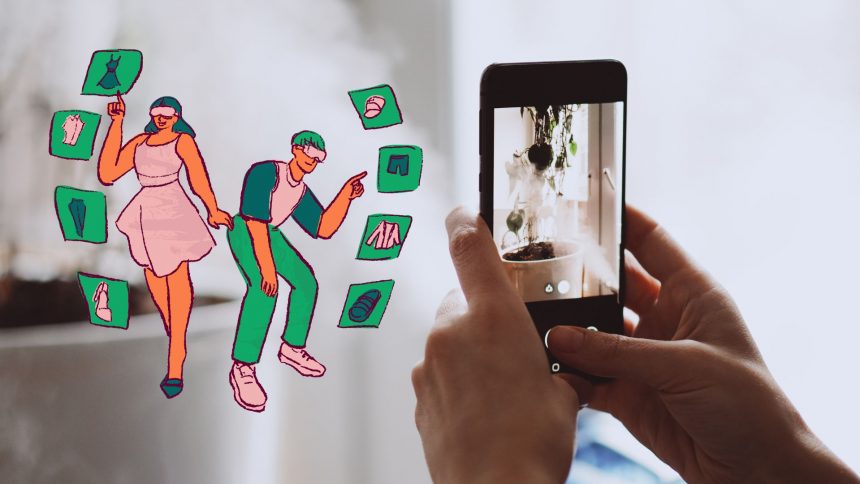
Unlike traditional photographs, which are static representations of a moment in time, Augmented Reality-enhanced photographs offer an interactive and dynamic experience. By overlaying digital elements onto physical photographs through smartphone apps or specialized AR viewers, Augmented Reality breathes new life into images, creating a captivating blend of reality and virtual content. Imagine a seemingly ordinary photograph of a bustling city street transforming into a virtual travel guide. With a tap on your smartphone, information bubbles appear above buildings, highlighting historical landmarks, popular restaurants, or upcoming events. This interactive layer adds a new dimension to the photograph, transforming it from a captured memory into a springboard for further exploration and discovery.
A New Dimension of Storytelling: Engaging Viewers with AR
AR photography opens doors for innovative storytelling techniques. Imagine a photograph of a historical landmark coming alive with interactive information points, revealing details about its architecture or past residents. Viewers can virtually explore different sections of the landmark, accessing historical documents or even witnessing recreated scenes from the past through AR overlays. Or, picture a travel photograph transforming into a virtual tour, allowing viewers to explore the location in 360 degrees through their smartphones. This interactive storytelling allows viewers to engage with photographs on a deeper level, fostering a more immersive and enriching experience.
Breaking the Barriers: Enhancing Accessibility with AR
AR technology has the potential to enhance accessibility in photography. Imagine a photograph of a complex scientific experiment being augmented with interactive labels or detailed explanations, making it easier for viewers to understand the showcased concept. Text overlays or voice narration features within the AR experience can translate complex scientific jargon into layman’s terms, fostering a more inclusive learning environment. Similarly, AR-enhanced photographs can be used to provide audio descriptions for visually impaired individuals. By overlaying detailed descriptions of the scene captured in the photograph, AR can create a richer and more meaningful experience for visually impaired viewers.
The Power of Emotion: Bringing Photographs to Life with AR
Augmented Reality can add an emotional layer to traditional photographs. Imagine a wedding photo where the happy couple can share a virtual toast with viewers through an AR overlay. By activating the AR feature, viewers might see animated champagne glasses appear in the couple’s hands, accompanied by celebratory music or personalized messages. Or, picture a family portrait where grandparents living far away can appear virtually alongside their loved ones through AR integration. This ability to bridge physical distance and create a sense of togetherness adds a new dimension to photography, fostering deeper connections and preserving cherished memories in a more meaningful way.
Beyond Reality: Exploring the Artistic Potential of Augmented Reality
AR empowers photographers to push the boundaries of artistic expression. Imagine a photograph of a cityscape morphing into a fantastical landscape through AR overlays. Skyscrapers could transform into towering alien structures, while bustling streetscapes could be filled with fantastical creatures. Or, picture a portrait where the subject’s features are accentuated or distorted by artistic AR effects. This ability to seamlessly blend the real and the virtual opens doors for innovative and captivating artistic creations. Photographers can experiment with different AR filters and effects, manipulating the captured image to create dreamlike or surreal atmospheres, or infuse their photographs with a touch of whimsy and fantasy.
See Also: 360 Cameras: An Amazing Revolution in Visual Content Creation (blogtech.net)
Blurring the Lines: Challenges and Considerations for AR Photography
While AR offers exciting possibilities, some challenges and considerations need to be addressed:
- Technical Limitations: AR technology is still evolving, and current limitations in smartphone processing power and battery life can affect the user experience. Additionally, ensuring seamless AR integration with existing photographs requires technical expertise.
- Accessibility Concerns: Not everyone has access to smartphones or AR viewers. It’s crucial to consider how AR-enhanced photographs can be experienced by those without access to the necessary technology.
- Overly Gimmicky Applications: AR should enhance the photographic experience, not overwhelm it. Striking a balance between creative expression and maintaining the integrity of the captured image is essential.
- Privacy Concerns: The use of AR overlays with photographs containing people raises privacy concerns. Obtaining consent from those depicted in the photograph before adding AR elements is crucial.
The Future in Focus: The Continued Evolution of AR Photography
The future of AR photography is brimming with possibilities. Advancements in technology will address current limitations, leading to smoother AR experiences and wider accessibility. Integration with artificial intelligence (AI) could allow for real-time object recognition and context-aware AR overlays, personalizing the Augmented Reality experience for each viewer. Additionally, the development of AR glasses promises a hands-free experience, further blurring the lines between reality and the virtual world.
Beyond the Smartphone: Exploring Alternative AR Platforms
Augmented Reality photography is not limited to smartphones. Standalone AR viewers and dedicated AR cameras are emerging, offering potentially better performance and more immersive experiences. Additionally, the integration of AR technology into traditional cameras could allow photographers to visualize AR overlays while capturing photographs, streamlining the creative process.
A Collaborative Future: Photographers and Developers Working Together
The future of AR photography hinges on collaboration between photographers and developers. Photographers can provide creative vision and insights into how Augmented Reality can enhance storytelling and artistic expression. Developers, in turn, can translate these ideas into user-friendly AR experiences that seamlessly integrate with photographs.
A New Chapter in Photography: Embracing the Transformative Power of Augmented Reality
Augmented Reality technology represents a new chapter in photography, offering exciting possibilities for storytelling, accessibility, artistic expression, and viewer engagement. By embracing AR and collaborating with developers, photographers can create captivating experiences that transcend the limitations of traditional photographs. As AR technology continues to evolve, the future of photography promises to be a blend of the real and the virtual, blurring the lines between captured moments and interactive experiences.