


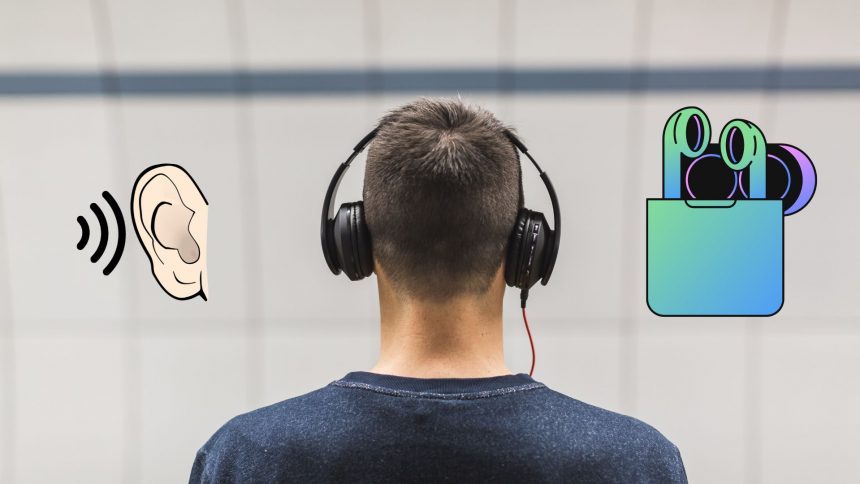
Earbuds and headphones have become ubiquitous companions, seamlessly integrated into our daily routines. We use them for work calls, music during commutes, and unwinding with podcasts before bed. But while they offer convenience and immersive audio experiences, there’s a growing concern about the potential hearing risks associated with overuse.
Understanding How We Hear: A Delicate Balance
Sound waves travel through the ear canal, vibrating the eardrum. These vibrations are transmitted to tiny hair cells in the inner ear, called the cochlea. The hair cells convert these vibrations into electrical signals that travel to the brain, where they are interpreted as sound.
Hearing Risks: The Damaging Effects of Loud Noise Exposure
Loud noises can damage these delicate hair cells. When exposed to excessive volume for prolonged periods, the hair cells can become permanently damaged or even die, leading to hearing loss. This type of hearing loss, known as noise-induced hearing loss (NIHL), is irreversible and can significantly impact your ability to hear and understand speech.
How Earbuds and Headphones Increase Hearing Risks Take The Toll
Several factors contribute to the potential hearing risks associated with earbuds and headphones:
- Volume: The biggest culprit is volume. Earbuds and headphones can deliver sound directly to the eardrum, bypassing the outer ear’s natural protection. This can lead to listening at louder volumes than with traditional speakers, which are farther away from the ears.
- Noise Cancellation: While noise-cancelling headphones offer a more immersive listening experience, they can also be deceiving. By blocking out background noise, you might unknowingly crank up the volume to compensate, further increasing the risk of hearing damage.
- Earbud Design: Unlike some over-ear headphones, earbuds don’t create a good seal around the ear canal. This allows external noise in, further prompting listeners to increase the volume to drown it out.
- Extended Use: The longer you listen at high volumes, the greater the risk of damage. It’s not just about occasional loud music; consistent exposure to even moderate volumes can contribute to hearing loss over time.
Recognizing the Signs of Hearing Loss, When Hearing risks
Early detection of hearing loss is crucial. Here are some signs to watch out for:
- Difficulty hearing conversations, especially in noisy environments.
- Having to ask people to repeat themselves frequently.
- Needing to turn up the volume on the TV or radio to a level that seems loud to others.
- Muffled or distorted sounds.
- Ringing or buzzing in the ears (tinnitus).
Protecting Your Hearing: Simple Steps Make a Big Difference
The good news is that you can enjoy your earbuds and headphones without sacrificing your hearing health. Here are some practical tips to minimize hearing risks:
- Keep the Volume Down: A good rule of thumb is the 60/60 rule: listen at no more than 60{426c2183a5125f60904d67abedeb5642d038d19aa8532f69eadbebf137277eb5} volume for no more than 60 minutes at a time. There are also apps available that can help you monitor the volume on your device.
- Take Listening Breaks: Give your ears a rest every 30 minutes. Step away from the music or lower the volume for a few minutes to allow your ears to recover.
- Choose Over-Ear Headphones When Possible: Over-ear headphones create a better seal around the ear, reducing the need to increase the volume to block out background noise.
- Invest in Noise-Cancelling Headphones That Don’t Require High Volumes: Look for noise-cancelling technology that effectively blocks out ambient noise without needing to crank up the volume.
- Get Regular Hearing Checkups: Schedule regular hearing tests with an audiologist, especially if you notice any changes in your hearing. Early detection allows for intervention and management strategies.
Making Informed Choices for a Lifetime of Listening Pleasure
By being mindful of volume levels, taking breaks, and choosing the right headphones, you can continue to enjoy the convenience and immersive audio experiences offered by earbuds and headphones. Remember, your hearing is a precious sense, and taking proactive steps to protect it ensures a lifetime of rich auditory experiences.
See Also: VR UI Unleashing the Best Creativity in Metaverse Design (blogtech.net)
Educating Children and Young Adults About Hearing Health
Children and young adults are particularly susceptible to hearing risks from earbuds and headphones. Their developing ears are more vulnerable to loud noises, and they often listen to music at higher volumes for extended periods.
Here are some strategies to promote safe listening habits in younger generations:
- Lead by Example: Model good listening practices by keeping your own volume levels down and taking breaks.
- Open Communication: Discuss the importance of hearing health and the risks associated with loud noise exposure.
- Set Volume Limits: Utilize parental controls on devices or apps to limit the maximum volume output.
- Invest in Child-Friendly Headphones: Look for headphones specifically designed for children with lower volume limitations.
- Encourage Variety: Promote a variety of listening activities to avoid overreliance on earbuds and headphones.
Conclusion: A Symphony of Awareness and Action
By raising awareness about the potential hearing risks associated with earbuds and headphones, we can all take steps to protect this vital sense. Simple adjustments to listening habits, combined with responsible choices regarding headphone type and volume levels, ensure a lifetime of rich auditory experiences. Remember, protecting your hearing allows you to mitigate some hearing risks, keep enjoying the music, podcasts, and audiobooks that enrich your life. So, crank up the awareness, not the volume, and embrace a world of safe and sound listening!