


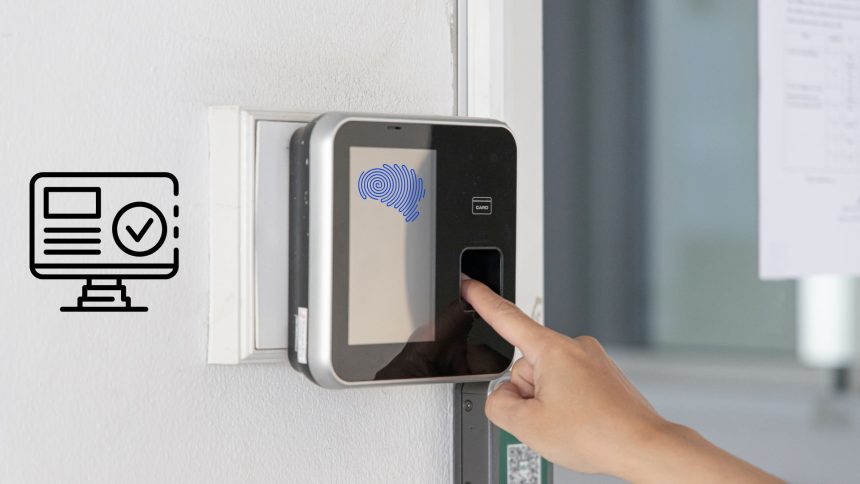
In an increasingly digital world, security has never been more crucial. Traditional locks and keys are becoming relics of the past, replaced by advanced security systems that offer unparalleled protection and convenience. One such innovation is Biometric Access Control, a technology that uses unique biological traits like fingerprints and facial features to grant or deny access. Explores the ins and outs of biometric access control systems, their benefits, technological underpinnings, integration into modern security frameworks, and the future trends that promise to make them even more effective.
Understanding Biometric Access Control
What is Biometric Access Control?
Biometric Access Control refers to security systems that utilize unique biological characteristics—such as fingerprints, facial features, iris patterns, or even voice recognition—to authenticate individuals and grant access to secure areas or information. Unlike traditional methods that rely on physical keys or passwords, biometric systems ensure that access is granted only to authorized individuals, based on their unique biological traits. This technology is increasingly being adopted in both residential and commercial settings due to its high level of security and ease of use.
The core advantage of Biometric Access systems is their ability to provide secure, reliable, and convenient access control. Traditional keys can be lost or stolen, and passwords can be forgotten or hacked. Biometric traits, however, are inherently tied to the individual and cannot be easily replicated or shared. This makes biometric access control systems a more secure alternative, minimizing the risk of unauthorized access. Moreover, the process of using biometric identifiers is quick and straightforward, adding a layer of convenience for users who no longer need to carry keys or remember complex passwords.
The Evolution of Biometric Technology
Biometric technology has come a long way since its inception. Early biometric systems were rudimentary and often plagued by high error rates and reliability issues. However, advancements in technology have significantly improved the accuracy and dependability of these systems. Today, modern biometric access control systems use sophisticated algorithms and high-resolution sensors to capture and analyze biometric data with remarkable precision. These systems can quickly and accurately authenticate individuals, even in challenging conditions such as low light or varying angles.
The journey of Biometric Access technology from its early stages to the advanced systems we have today is a testament to the rapid pace of innovation. Initially used in high-security government and military applications, biometric systems are now accessible to the general public and are being integrated into everyday devices such as smartphones, laptops, and home security systems. This widespread adoption has been driven by the increasing affordability of biometric technologies and their proven effectiveness in enhancing security. As the technology continues to evolve, we can expect even more sophisticated and versatile biometric access control solutions to emerge.
Benefits of Biometric Access Control
Enhanced Security
One of the most significant advantages of Biometric Access control systems is the enhanced security they provide. Traditional security measures, such as keys, passwords, and PIN codes, are susceptible to being lost, stolen, or hacked. In contrast, biometric systems use unique physical characteristics that are extremely difficult to replicate or forge. This makes it nearly impossible for unauthorized individuals to gain access, significantly reducing the risk of security breaches.
Furthermore, biometric access control systems offer a higher level of accountability. Since each access attempt is linked to a specific individual, it becomes easier to track and monitor access logs. This can be particularly useful in environments where security is paramount, such as in corporate offices, data centers, and high-security facilities. By using biometric data, organizations can ensure that only authorized personnel can access sensitive areas, thereby preventing unauthorized access and enhancing overall security.
Convenience and Efficiency
In addition to security, Biometric Access control systems offer unparalleled convenience and efficiency. Traditional access methods, such as carrying keys or remembering passwords, can be cumbersome and time-consuming. Biometric systems, on the other hand, provide a seamless and quick authentication process. Users simply need to present their fingerprint or face to gain access, which takes only a few seconds. This not only saves time but also eliminates the need to manage physical keys or remember complex passwords.
The convenience of biometric access control extends to its management as well. Administrators can easily add or remove users from the system, update access permissions, and monitor access logs through a centralized interface. This makes it easier to manage large numbers of users and ensures that access control policies are consistently enforced. Additionally, biometric systems can be integrated with other smart home or office automation systems, further enhancing their convenience and utility. For instance, a biometric system can be linked to lighting, HVAC, and security systems to create a fully automated and efficient environment.
Key Technologies in Biometric Access Control
Fingerprint Recognition
Fingerprint recognition is one of the most commonly used technologies in Biometric Access control systems. This technology relies on the unique patterns of ridges and valleys on an individual’s fingertip to authenticate their identity. When a user places their finger on a fingerprint scanner, the system captures an image of the fingerprint and compares it to the stored templates in its database. If there is a match, access is granted.
Fingerprint recognition technology has advanced significantly in recent years. Modern fingerprint scanners use high-resolution imaging sensors and sophisticated algorithms to capture detailed fingerprint images and ensure accurate matching. These systems are capable of distinguishing between genuine fingerprints and spoofed ones, providing a high level of security. Additionally, fingerprint recognition systems are highly user-friendly and can be easily integrated into various applications, from door locks and smartphones to access control systems in offices and secure facilities.
Facial Recognition
Facial recognition technology is another widely adopted form of Biometric Access control. This technology analyzes the unique features of an individual’s face, such as the distance between the eyes, the shape of the nose, and the contour of the jawline, to authenticate their identity. Facial recognition systems use advanced cameras and algorithms to capture and process facial images, ensuring accurate and reliable identification.
The use of facial recognition technology has become increasingly popular due to its non-intrusive nature and ease of use. Unlike fingerprint recognition, which requires physical contact, facial recognition systems can authenticate users from a distance, making the process quicker and more convenient. These systems are commonly used in smartphones, laptops, and security systems, providing a seamless and efficient way to secure access. Moreover, advancements in artificial intelligence and machine learning have significantly improved the accuracy and speed of facial recognition systems, making them a reliable choice for biometric access control.
Integration with Modern Security Systems
Smart Home Integration
The integration of Biometric Access control systems with smart home technologies has revolutionized the way we manage home security. Modern smart homes are equipped with various interconnected devices that can be controlled remotely through a smartphone or a central hub. By incorporating biometric access control into these systems, homeowners can enhance their security while enjoying the convenience of automated home management.
For instance, a biometric access control system can be integrated with smart door locks, security cameras, and alarm systems to provide a comprehensive security solution. When a recognized user approaches the door, the system can automatically unlock the door, disarm the alarm, and even adjust the lighting and temperature settings to the user’s preferences. This level of integration not only enhances security but also provides a seamless and personalized living experience. Additionally, homeowners can receive real-time notifications and access logs on their smartphones, allowing them to monitor and manage their home security from anywhere.
Enterprise Security Solutions
In addition to residential applications, Biometric Access control systems are increasingly being adopted in enterprise environments to enhance security and streamline access management. Large organizations and corporations often require robust security measures to protect sensitive information and assets. Biometric access control systems provide a reliable and efficient solution to meet these needs.
In an enterprise setting, biometric access control systems can be used to secure entry points, restrict access to sensitive areas, and track employee movements within the facility. These systems can be integrated with other security measures, such as surveillance cameras, alarm systems, and identity management platforms, to create a comprehensive security framework. By using biometric data, organizations can ensure that only authorized personnel have access to critical areas and resources, thereby reducing the risk of security breaches and unauthorized access.
Furthermore, biometric access control systems can enhance operational efficiency by automating access management processes. For example, employee access permissions can be managed centrally, and access logs can be generated automatically for auditing and compliance purposes. This not only saves time but also ensures that security policies are consistently enforced. Overall, the integration of biometric access control systems into enterprise security solutions provides a robust and efficient way to enhance security and streamline access management.
Future Trends in Biometric Access Control
AI and Machine Learning Enhancements
As technology continues to evolve, the integration of artificial intelligence (AI) and machine learning into Biometric Access control systems is becoming increasingly common. These technologies enable systems to learn from patterns and behaviors, improving their accuracy and effectiveness over time. For instance, AI can analyze biometric data to identify trends and anomalies, allowing for even earlier detection and intervention.
Machine learning algorithms can also enhance the functionality of biometric access control systems by identifying trends and providing insights that were previously unattainable. For example, a system equipped with machine learning can differentiate between normal fluctuations in biometric data and actual security threats, reducing false alarms and ensuring that alerts are accurate and actionable. The integration of AI and machine learning represents a significant leap forward in the effectiveness and reliability of biometric access control systems, providing homeowners and organizations with even greater protection and peace of mind.
Privacy and Ethical Considerations
With the widespread adoption of Biometric Access control systems, privacy and ethical considerations have become increasingly important. While these systems offer enhanced security and convenience, they also raise concerns about the collection, storage, and use of biometric data. It is essential to address these concerns to ensure that the benefits of biometric access control are realized without compromising individual privacy.
One of the primary concerns is the potential for biometric data to be misused or accessed by unauthorized parties. To mitigate this risk, it is crucial to implement robust security measures to protect biometric data. This includes using encryption, secure storage methods, and access controls to ensure that biometric data is only accessible to authorized personnel. Additionally, organizations must be transparent about how biometric data is collected, stored, and used, and obtain explicit consent from individuals before collecting their biometric data.
Ethical considerations also play a significant role in the adoption of biometric access control systems. It is essential to ensure that these systems are used fairly and do not discriminate against individuals based on their biometric characteristics. This includes implementing measures to prevent bias in biometric algorithms and ensuring that the technology is accessible to all individuals, regardless of their physical characteristics. By addressing privacy and ethical considerations, we can ensure that biometric access control systems are used responsibly and benefit society as a whole.
Summary and Final Thoughts
In conclusion, Biometric Access control systems represent a significant advancement in security technology. By leveraging unique biological traits such as fingerprints and facial features, these systems offer enhanced security, convenience, and efficiency. The integration of biometric access control into modern security systems, both in residential and enterprise settings, provides a robust and comprehensive solution to meet the evolving security needs of our digital world.
As technology continues to advance, we can expect even more sophisticated and versatile biometric access control solutions to emerge. The integration of AI and machine learning will further enhance the accuracy and reliability of these systems, while addressing privacy and ethical considerations will ensure their responsible use. Investing in biometric access control systems not only simplifies access management but also contributes to a more secure and connected environment.
FAQs
1. What is biometric access control?
Biometric access control is a security technology that uses unique biological traits, such as fingerprints or facial features, to authenticate individuals and grant access to secure areas or information.
2. How does fingerprint recognition work?
Fingerprint recognition technology captures an image of an individual’s fingerprint and compares it to stored templates in its database. If there is a match, access is granted.
3. What are the benefits of using biometric access control systems?
Biometric access control systems offer enhanced security, convenience, and efficiency. They provide a higher level of security by using unique biological traits and eliminate the need to carry keys or remember passwords.
4. How can biometric access control systems be integrated with smart home technologies?
Biometric access control systems can be integrated with smart home technologies to create a seamless and personalized living experience. For example, they can be linked to smart door locks, security cameras, and alarm systems.
5. What are the privacy and ethical considerations associated with biometric access control systems?