



For years, Spider-Man has captivated audiences with his incredible ability to swing through the city, propelled by webs shot from his wrists. Whether you’ve seen it in comics, movies, or animated series, the concept of web-slinging has always seemed like a work of fiction. However, recent breakthroughs in science and engineering have brought Spider-Man’s iconic ability closer to reality. Scientists and researchers are now exploring ways to develop technologies that could allow humans to swing through the air, just like Spider-Man. This exciting advancement has the potential to revolutionize the fields of transportation, rescue operations, and even recreational activities.
Spider-Man has long been a beloved superhero, and his web-slinging ability is one of the most iconic aspects of his character. But could this fantastical feat be more than just comic book fantasy? Recent advancements in technology suggest that science is catching up to the superhero world. Let’s dive into the innovations that are bringing Spider-Man’s web-slinging ability into reality, and how they could impact the world we live in.
The Science Behind Spider-Man’s Web-Slinging Ability
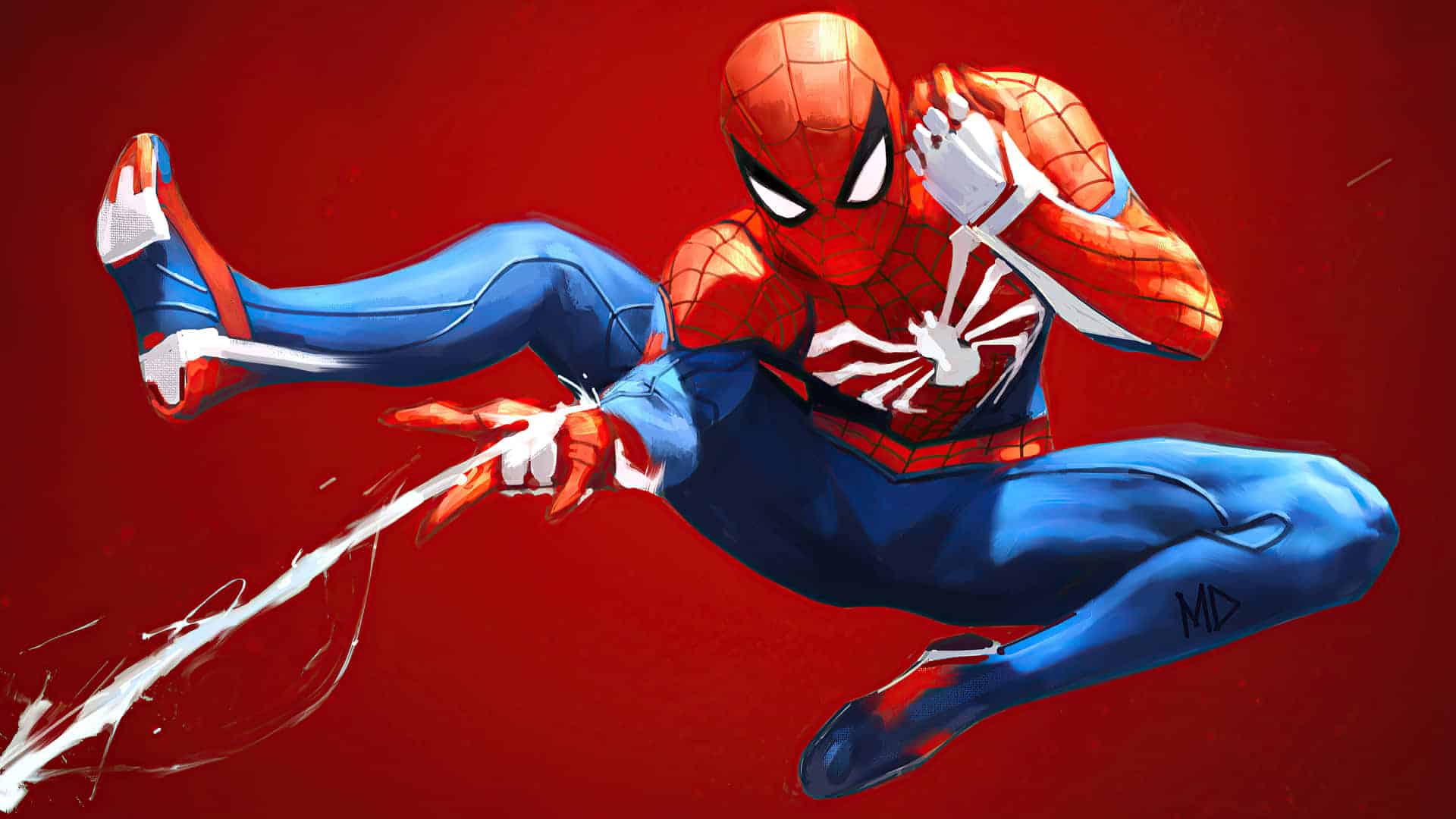
Spider-Man’s web-slinging relies on his ability to produce incredibly strong, sticky webs from his wrist-mounted devices. These webs allow him to swing between buildings, fight villains, and perform acrobatic stunts. The mechanics behind web-slinging, though purely fictional in the original comic books, have inspired real-world innovations.
Webbing Materials: Strength and Adhesion
In the Spider-Man universe, the webs are not only incredibly strong but also have unique properties, such as being sticky and lightweight. Scientists have been working on developing materials that can mimic these traits. Researchers have successfully created synthetic webs using materials like spider silk and synthetic polymers that are both durable and lightweight.
Spider silk, produced by spiders, is one of the strongest natural materials known to science. A thread of spider silk is stronger than steel and tougher than Kevlar. It’s also incredibly lightweight, making it ideal for use in various applications, including medical devices, textiles, and even construction. By synthesizing spider silk, scientists are developing materials that are strong enough to withstand the forces needed for web-slinging.
The challenge lies in creating webbing that is sticky enough to adhere to surfaces but also light and flexible enough to allow for smooth swinging. Companies and researchers are exploring different materials and technologies to mimic Spider-Man’s web-slinging functionality. One example is the development of strong adhesive materials that can mimic the natural properties of spider silk. These materials could allow for webbing that adheres to surfaces but can also be retracted and controlled.
Building a Web-Slinger: The Mechanics of Swinging
Even if we could replicate Spider-Man’s webbing, we still need a mechanism to fire the webs and allow for swinging. In the comics, Spider-Man uses wrist-mounted devices known as web-shooters to fire his webs. These devices, though fictional, have inspired real-world attempts to create something similar.
Robotic Web-Shooters and Gripping Systems
In recent years, engineers have developed advanced robotic systems that mimic the functions of Spider-Man’s web-shooters. These devices use powerful motors and mechanisms to shoot out synthetic webs at high speeds. One of the main hurdles, however, is ensuring that the web-shooter is both lightweight and powerful enough to handle the energy required for web-slinging.
Some inventors have also looked into creating wearable exoskeletons that would allow humans to swing between buildings. These exoskeletons would feature robotic arms with gripping technology, enabling users to latch onto buildings and swing through the air. While this technology is still in its infancy, it’s clear that the future could hold some thrilling possibilities for human mobility.
Using Drones and AI for Navigation
Another exciting development is the use of drones and artificial intelligence (AI) to assist with navigation while swinging. Imagine a system that could project a web line while calculating the optimal path for swinging. This would not only allow for a more controlled experience but could also help avoid obstacles and ensure safe landings. While this might sound like something straight out of a science fiction movie, the potential for combining AI with robotic systems for web-slinging is very real.
The Real-World Applications of Web-Slinging Technology
Though web-slinging remains firmly in the realm of fiction for now, the technologies being developed to mimic Spider-Man’s abilities have real-world applications that go far beyond superhero antics. Let’s explore how this technology could revolutionize various industries.
Urban Transportation
In crowded cities, traffic congestion is a significant problem, leading to longer commute times, increased pollution, and higher stress levels. If scientists can successfully develop web-slinging technology, it could provide a new form of urban transportation. Swinging between buildings could become a viable alternative to cars and public transit, especially in high-density urban areas. This would not only reduce traffic but also allow people to move more freely and quickly through the city.
Emergency Response and Rescue Operations
In emergency situations, quick access to hard-to-reach areas can save lives. Firefighters, search-and-rescue teams, and emergency medical personnel could use web-slinging technology to quickly reach people stranded in high-rise buildings, collapsed structures, or other dangerous environments. The ability to swing from building to building could provide a more efficient and effective way to perform rescues, especially in densely populated urban environments.
Adventure Sports and Recreation
For thrill-seekers and adventurers, web-slinging technology could lead to a new wave of extreme sports. Imagine being able to swing from tree to tree in a dense jungle or across mountain cliffs in the great outdoors. Such technology could redefine the world of adventure sports, allowing enthusiasts to explore nature in an entirely new way. This could also lead to the development of more advanced recreational activities, combining fitness with excitement and offering experiences similar to those depicted in superhero movies.
Ethical Considerations and Challenges Ahead
While the potential applications of web-slinging technology are vast, there are also ethical considerations and challenges that need to be addressed. Safety is a major concern; any new technology that allows people to swing between buildings must be rigorously tested to ensure it doesn’t pose a risk to public safety. Additionally, the environmental impact of creating and maintaining such technologies needs to be carefully evaluated.
Privacy concerns may also arise if web-slinging becomes widely available. For instance, if people are swinging through cities at high speeds, will it impact others’ privacy or lead to unintended consequences? These are important questions that need to be answered as we move closer to turning Spider-Man’s abilities into reality.
Looking Ahead: A Future of Superhero-Like Mobility
Spider-Man’s web-slinging may have started as a fantastical concept, but thanks to advancements in science and technology, we are now on the cusp of making it a reality. Researchers and engineers around the world are working tirelessly to create materials and devices that can allow humans to swing through the air, just like our friendly neighborhood superhero.
While it may take some time before we see web-slinging become mainstream, the possibilities it presents are exciting. From revolutionizing urban transportation to transforming rescue operations, the potential applications of this technology are vast. If scientists continue to push the boundaries of innovation, we may soon live in a world where web-slinging isn’t just for superheroes—it’s for everyone.