

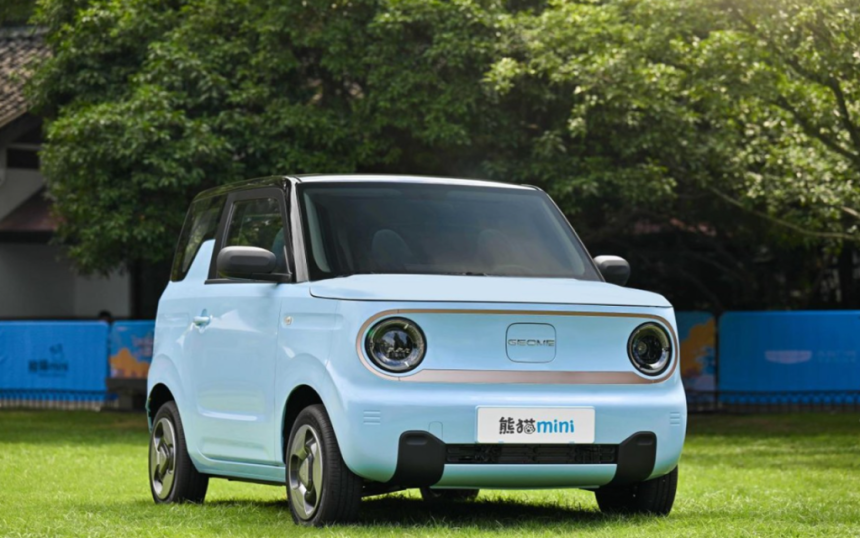
As the world moves toward sustainable and eco-friendly transportation, the demand for mini electric vehicles is rising. These small yet efficient vehicles are gaining popularity due to their affordability, energy efficiency, and convenience, especially in crowded urban areas. Whether for daily commutes, last-mile deliveries, or personal mobility, mini electric vehicles offer a practical solution to reduce carbon emissions and traffic congestion.
With advancements in battery technology, charging infrastructure, and urban mobility solutions, mini electric vehicles are becoming a viable alternative to traditional gas-powered cars. This article explores the different types of mini electric vehicles, their benefits, challenges, and how they fit into the future of electric transportation.
What Are Mini Electric Vehicles?
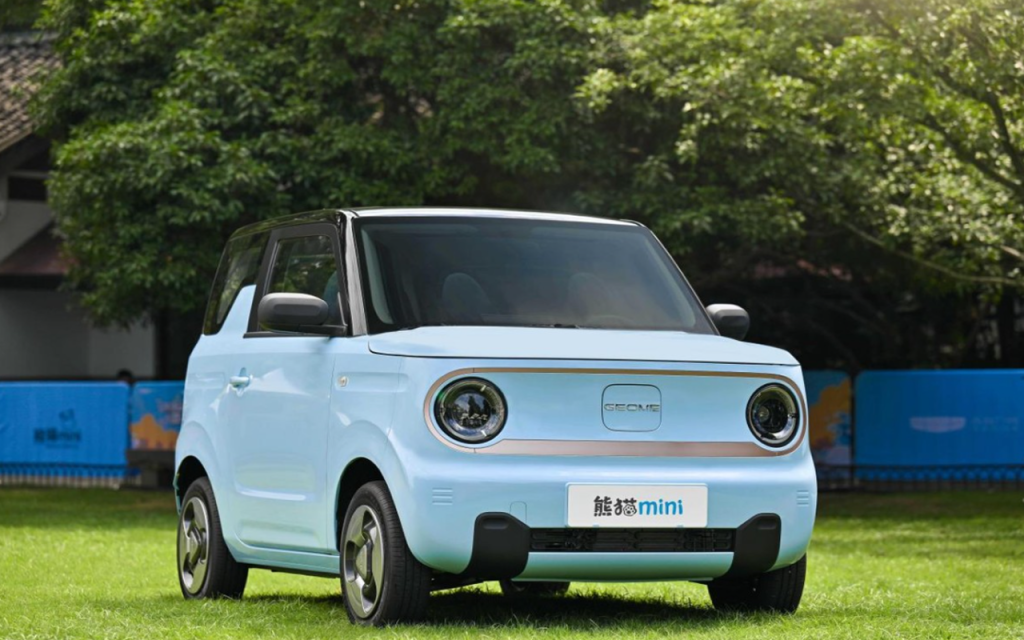
Mini electric vehicles (EVs) refer to small, battery-powered cars, scooters, or microcars designed for short-distance travel. They are categorized based on their size, speed, and functionality. These vehicles are particularly popular in Europe, Asia, and increasingly in the United States, where cities are looking for compact and energy-efficient transport solutions.
Some common types of mini electric vehicles include:
1. Microcars
Microcars are tiny four-wheeled vehicles that offer seating for one or two passengers. They are perfect for urban environments, where parking space is limited. Examples include:
- Citroën Ami
- Eli Zero
- Microlino 2.0
2. Electric Mopeds and Scooters
These two-wheeled electric vehicles are widely used for short commutes and last-mile travel. Popular models include:
- Vespa Elettrica
- NIU Electric Scooters
- Segway eScooters
3. Neighborhood Electric Vehicles (NEVs)
NEVs are small electric cars designed for low-speed travel, typically under 25 mph (40 km/h). They are commonly used in gated communities, campuses, and resorts. Some well-known models include:
- GEM e4
- Kandi K27
4. Ultra-Compact Electric Cars
These are fully enclosed and offer better range and speed compared to microcars. They are small enough for easy maneuvering in city streets but still provide a car-like experience. Examples include:
- Smart EQ ForTwo
- Honda e
- Fiat 500e
Why Mini Electric Vehicles Are Gaining Popularity
With increasing fuel prices, urban congestion, and environmental concerns, many people are switching to mini electric vehicles for their daily transportation needs. Here’s why they are becoming a preferred choice:
1. Affordable and Cost-Effective
Compared to full-sized EVs, mini electric vehicles have a lower purchase price. They also come with:
- Lower maintenance costs (fewer moving parts)
- Reduced charging expenses compared to gasoline
- Minimal registration and insurance fees in many regions
2. Eco-Friendly Transportation
These vehicles run on electric power, which significantly reduces carbon emissions and helps in achieving a cleaner environment. Many cities encourage their use by offering:
- Tax incentives and rebates
- Free or discounted charging stations
- Access to special EV lanes
3. Easy Parking and Maneuverability
In crowded cities, parking is a challenge. Mini electric vehicles solve this issue with their compact size, allowing them to:
- Fit into small parking spots
- Navigate through tight traffic
- Be stored conveniently (some can even be folded!)
4. Ideal for Short-Distance Travel
Most daily commutes are under 30 miles per day, making mini electric vehicles perfect for:
- Urban commuting
- Grocery runs
- Last-mile delivery services
5. Reduced Traffic Congestion
Since these vehicles take up less space on the road, they contribute to better traffic flow. Cities like Paris, Amsterdam, and Tokyo are actively promoting mini EVs as a way to reduce congestion and improve air quality.
Challenges of Mini Electric Vehicles
Despite their numerous benefits, mini electric vehicles face some challenges:
1. Limited Range and Speed
Most mini EVs have a range of 50-100 miles per charge, which may not be enough for long-distance travel. Additionally, their lower speeds make them unsuitable for highways.
2. Safety Concerns
Due to their small size and lightweight design, mini electric vehicles may not provide the same level of crash protection as traditional cars. However, newer models are incorporating:
- Reinforced safety structures
- Airbags and ABS braking
- Advanced driver assistance systems (ADAS)
3. Charging Infrastructure
While EV charging stations are expanding, some areas still lack convenient access. However, most mini electric vehicles can be charged using a regular home outlet, making them more accessible than larger EVs.
4. Market Awareness and Adoption
Many consumers are still unaware of the benefits of mini electric vehicles. Automakers and governments need to increase awareness through incentives, marketing campaigns, and improved infrastructure.
Best Mini Electric Vehicles in 2024
Here’s a look at some of the best mini electric vehicles currently available:
| Model | Type | Range | Top Speed | Price |
|---|---|---|---|---|
| Citroën Ami | Microcar | 43 miles | 28 mph | $6,000 |
| Eli Zero | Microcar | 80 miles | 45 mph | $11,900 |
| Microlino 2.0 | Microcar | 143 miles | 56 mph | $14,000 |
| Smart EQ ForTwo | Ultra-Compact Car | 84 miles | 81 mph | $23,900 |
| Kandi K27 | NEV | 100 miles | 63 mph | $9,999 |
| Honda e | Ultra-Compact Car | 137 miles | 90 mph | $38,000 |
These vehicles are designed to be cost-efficient, practical, and sustainable, making them ideal choices for urban commuters and city dwellers.
The Future of Mini Electric Vehicles
As technology improves, mini electric vehicles will likely become even more efficient, affordable, and accessible. Some future trends include:
1. Improved Battery Technology
New battery innovations like solid-state batteries will offer:
- Longer range
- Faster charging times
- Better durability
2. Smart Connectivity and Automation
Future mini EVs will come with:
- AI-powered driving assistance
- Autonomous parking features
- Integration with smart city infrastructure
3. Expansion of Ride-Sharing and Subscription Services
Many companies are developing mini EV ride-sharing programs to provide affordable mobility solutions for city dwellers. Subscription-based EV models will also become more common, allowing users to rent or lease a mini EV without buying one outright.
Conclusion
Mini electric vehicles are redefining urban mobility by offering eco-friendly, compact, and cost-effective solutions for daily transportation. Their convenience, affordability, and environmental benefits make them an ideal choice for modern cities. While challenges like limited range and charging infrastructure still exist, ongoing advancements in battery technology and smart mobility will continue to drive the adoption of mini electric vehicles worldwide.
Whether for personal use, business deliveries, or urban transportation, mini electric vehicles are undoubtedly shaping the future of sustainable mobility.