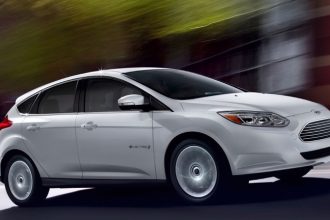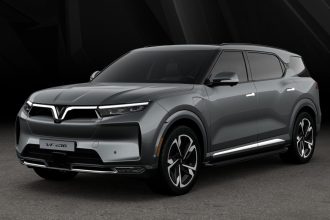



In a groundbreaking move, Amazon has expanded its reach beyond traditional retail categories and entered the automotive market. Teaming up with Hyundai, Amazon has begun selling Hyundai cars directly through its platform, offering a convenient and tech-forward alternative to the traditional car-buying process. This collaboration marks a significant evolution in how cars are marketed and sold, blending e-commerce innovation with the automotive industry.
This article explores the implications of Amazon’s new venture, its potential benefits and challenges, and how this partnership with Hyundai could reshape the way we buy cars.
The Partnership Between Amazon and Hyundai

Hyundai and Amazon’s collaboration aims to simplify the car-buying experience, making it more seamless and customer-centric. With Hyundai vehicles now available on Amazon, customers can browse models, compare features, and initiate the purchase process from the comfort of their homes.
While the exact structure of the buying process varies depending on location and regulations, Amazon’s role includes providing detailed vehicle listings, facilitating bookings for test drives, and connecting customers with local Hyundai dealerships for final transactions. This hybrid approach combines the convenience of online shopping with the personalized touch of in-person service.
Why Amazon Entered the Auto Market
Amazon’s decision to sell Hyundai cars reflects its broader strategy to expand its influence across various industries. Over the years, Amazon has ventured into areas like healthcare, entertainment, and logistics, demonstrating its ambition to become a one-stop destination for virtually all consumer needs.
Key Reasons for Amazon’s Move into Car Sales:
- Customer Demand: Consumers increasingly expect convenience and accessibility in all areas of retail, including big-ticket items like cars.
- E-commerce Growth: The pandemic accelerated the adoption of online shopping for all types of products, proving that consumers are willing to make significant purchases online.
- Data-Driven Decisions: Amazon’s vast consumer data allows it to tailor offerings and provide a personalized shopping experience for prospective car buyers.
What the Partnership Offers to Consumers
The collaboration between Amazon and Hyundai brings several benefits to consumers:
1. Transparency in Pricing and Features
Amazon provides a user-friendly interface where buyers can compare different Hyundai models, trim levels, and features. Detailed descriptions and customer reviews further enhance transparency, making it easier for buyers to make informed decisions.
2. Convenience of Online Shopping
One of the most significant advantages is the ability to browse and shop for cars from anywhere, without the need to visit multiple dealerships. Customers can explore Hyundai’s lineup, check availability, and schedule test drives with just a few clicks.
3. Integration with Amazon Ecosystem
Amazon’s vast ecosystem, including Alexa, Prime services, and payment options, can further streamline the car-buying process. For instance, Alexa integration could allow customers to check car details or book test drives using voice commands.
4. Improved Customer Support
With Amazon’s reputation for customer service, buyers can expect a smooth and hassle-free experience. Hyundai’s dedicated support team and Amazon’s customer service are likely to work together to address any queries or issues.
Hyundai’s Perspective: Why Partner with Amazon?
For Hyundai, this partnership represents a strategic opportunity to expand its customer base and enhance its brand visibility.
1. Reaching a Broader Audience
Amazon’s massive user base provides Hyundai with unparalleled access to millions of potential customers. This exposure can help Hyundai reach demographics that may not have considered its vehicles before.
2. Aligning with Modern Shopping Trends
As consumers increasingly turn to e-commerce for convenience, Hyundai’s presence on Amazon allows the automaker to stay ahead of the curve and meet customers where they are.
3. Data and Analytics
Amazon’s advanced data analytics can provide Hyundai with valuable insights into customer preferences, enabling the automaker to tailor its offerings and marketing strategies more effectively.
Implications for the Automotive Industry
The partnership between Amazon and Hyundai has far-reaching implications for the automotive industry.
1. Disruption of Traditional Dealerships
While the partnership still involves dealerships for the final transaction, it shifts much of the buying process online. This could challenge the traditional dealership model, pushing dealers to adapt and embrace digital transformation.
2. Increased Competition
If Amazon’s venture into car sales proves successful, other e-commerce giants may follow suit, leading to increased competition in the automotive retail space.
3. Greater Focus on Customer Experience
Automakers and dealerships will need to prioritize customer experience to stay competitive. The ease and transparency offered by Amazon could set a new standard for the industry.
Potential Challenges
While the partnership between Amazon and Hyundai offers numerous benefits, there are also challenges to consider:
1. Regulatory Hurdles
Automotive sales are subject to various regulations, which vary by region. Ensuring compliance while maintaining a seamless online experience can be complex.
2. Building Trust for Big Purchases
Buying a car is a significant investment, and many customers may still prefer the traditional dealership experience. Overcoming skepticism about purchasing such a high-value item online will take time.
3. Maintaining Dealer Relationships
The partnership must strike a balance between leveraging Amazon’s platform and supporting Hyundai’s existing dealership network. Dealers may be concerned about losing business to the online channel.
The Future of Car Buying
The collaboration between Amazon and Hyundai is a glimpse into the future of car buying, where online platforms play an increasingly central role. As technology continues to advance, we can expect further innovations, such as virtual reality showrooms, AI-powered recommendations, and seamless online-to-offline transitions.
For Amazon, this partnership is a natural extension of its mission to make shopping more convenient and accessible. For Hyundai, it represents a bold step toward modernizing its sales strategy and connecting with a new generation of buyers.
Conclusion
The announcement that Amazon starts selling Hyundai cars marks a pivotal moment in both e-commerce and the automotive industry. By bringing the car-buying process online, Amazon and Hyundai are setting a new standard for convenience, transparency, and customer-centricity.
While challenges remain, the potential benefits for consumers and the industry as a whole are undeniable. As this partnership unfolds, it will be fascinating to see how it shapes the future of car sales and whether it inspires similar collaborations across the industry.
For now, one thing is clear: Amazon’s entry into the automotive market is a game-changer, and Hyundai is leading the charge in embracing this exciting new era of online car shopping.