


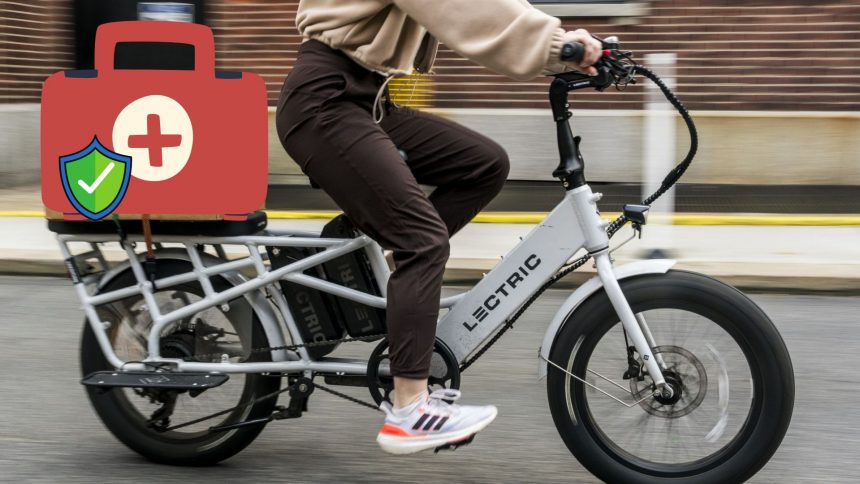
As E-Bikes gain traction as a popular mode of urban transportation, the conversation around E-Bike Safety becomes increasingly pertinent. With their ability to zip through city streets and ease up challenging inclines, E-Bikes offer a blend of convenience and fitness. However, the question lingers: Are E-Bikes a safer alternative to traditional bicycles or motor vehicles? This article delves into the multifaceted aspects of E-Bike safety, from the fundamentals of riding to the latest technological advancements that keep riders secure.
E-Bike Safety Fundamentals
Understanding E-Bike Dynamics
Understanding the dynamics of E-Bikes is crucial for safe operation. Unlike traditional bicycles, e-bikes come with an electric motor that assists with pedaling, allowing for higher speeds and less physical strain. However, this added power requires riders to develop a keen sense of balance and control. It’s essential to become familiar with the e-bike’s response to acceleration and braking, as the increased weight from the battery and motor can affect maneuverability.
Essential Safety Gear
When it comes to E-Bike Safety, the right gear is non-negotiable. A properly fitted helmet is the first line of defense against head injuries, and it’s imperative to choose one that meets safety standards. Additionally, wearing high-visibility clothing and equipping the e-bike with lights and reflectors can significantly enhance visibility on the road, especially during dawn, dusk, or night riding.
Riding Skills and Techniques
Mastering Control
Mastering control over an E-Bike involves more than just knowing how to ride a bike. Riders must practice and hone their skills in various environments to ensure they can handle their e-bike in any situation. This includes learning how to navigate through traffic, understanding the e-bike’s acceleration patterns, and being able to perform emergency stops safely.
Navigating Traffic and Terrain
Navigating traffic and terrain safely on an E-Bike requires a good understanding of road rules and the ability to anticipate the actions of other road users. Riders should be aware of their surroundings at all times and use hand signals to communicate intentions. When it comes to terrain, the ability to judge the e-bike’s capabilities on different surfaces is vital for maintaining control and preventing accidents.
E-Bike Maintenance and Upkeep
Regular Check-Ups
Regular maintenance check-ups are essential for E-Bike Safety. Ensuring that all components, especially brakes and tires, are in good working condition can prevent accidents. E-bike riders should perform pre-ride inspections to check for any issues that might compromise safety, such as loose bolts or worn brake pads.
Addressing Wear and Tear
Addressing wear and tear promptly is crucial for maintaining E-Bike Safety. Components like brake pads, tires, and chains can wear down over time, especially with the increased speeds and distances that e-bikes can cover. Regularly replacing these parts when they show signs of wear can help maintain the e-bike’s performance and safety.
Legal Framework and Compliance
Local Laws and Regulations
Complying with local laws and regulations is a fundamental aspect of E-Bike Safety. E-bike riders must understand and adhere to the same traffic laws that apply to motor vehicles, including speed limits, signaling, and right-of-way rules. Additionally, some areas have specific regulations for e-bikes, such as helmet requirements or restrictions on where e-bikes can be ridden.
Insurance and Liability
Understanding insurance and liability is important for E-Bike Safety. While e-bikes offer a sustainable and efficient mode of transportation, accidents can still happen. Having the appropriate insurance coverage can provide financial protection in the event of an accident, and knowing the liability laws can help riders navigate any legal issues that may arise.
Safety in Numbers
Community Riding
Community riding can enhance E-Bike Safety by providing a support network for riders. Group rides can help new e-bike users learn from more experienced riders, and there is safety in numbers when navigating through traffic. Riding in groups can also make e-bike riders more visible to other road users, reducing the risk of accidents.
Group Safety Practices
Adopting group safety practices is beneficial for E-Bike Safety. When riding in a group, it’s important to communicate clearly and follow established protocols, such as riding in a single file on busy roads and signaling turns or stops. These practices help ensure the safety of all group members and those sharing the road.
Technological Enhancements for Safety
Innovations in E-Bike Design
Innovations in E-Bike design are constantly improving safety. Features like anti-lock braking systems (ABS) and traction control are becoming more common, providing riders with better control in challenging conditions. Manufacturers are also exploring the use of materials that offer a balance between strength and weight, contributing to both performance and safety.
Smart Safety Features
Smart safety features are becoming an integral part of E-Bike Safety. Many modern e-bikes come equipped with systems that can connect to smartphones, providing navigation assistance, ride tracking, and even crash detection. These features not only enhance the riding experience but also offer additional layers of safety for riders.
See Also: Honda EV Revolution: A Bold Leap into the Future with the e:NY1 (blogtech.net)
E-Bike Safety Education
Training Programs
Training programs play a crucial role in promoting E-Bike Safety. These programs provide riders with the knowledge and skills needed to operate e-bikes safely. From basic riding techniques to advanced maneuvers, proper training can significantly reduce the risk of accidents and injuries.
Public Awareness Campaigns
Public awareness campaigns are essential for spreading the word about E-Bike Safety. By educating the public about the benefits and safety measures associated with e-bikes, these campaigns can encourage more people to consider e-bikes as a safe and viable transportation option.
Conclusion
Embracing E-Bike Safety is key to enjoying the benefits of this innovative mode of transportation. By understanding the dynamics of e-bikes, mastering riding skills, maintaining the bike, and adhering to legal requirements, riders can navigate the roads with confidence. As e-bike technology continues to advance, so too will the safety features that protect riders. The future of e-biking is bright, and safety will remain at the forefront of this evolving landscape.
FAQs
- What are the most important safety tips for new e-bike riders? New e-bike riders should prioritize wearing a helmet, understanding their e-bike’s dynamics, practicing in safe areas, and learning local traffic laws to ensure safety on the roads.
- How does e-bike maintenance contribute to safety? Regular maintenance, such as checking brakes and tires, ensures that the e-bike is in good working condition, which is crucial for preventing accidents and enhancing safety.
- Why is it important to follow local e-bike laws and regulations? Following local laws helps riders avoid fines and ensures they are riding in a manner that is safe for themselves and others on the road.
- Can technological advancements in e-bikes improve safety? Yes, advancements like ABS, traction control, and smart connectivity add layers of safety by improving control and providing riders with helpful information.
- How can community riding improve e-bike safety? Community riding allows new riders to learn from experienced ones, and group visibility can make rides safer for all participants.