


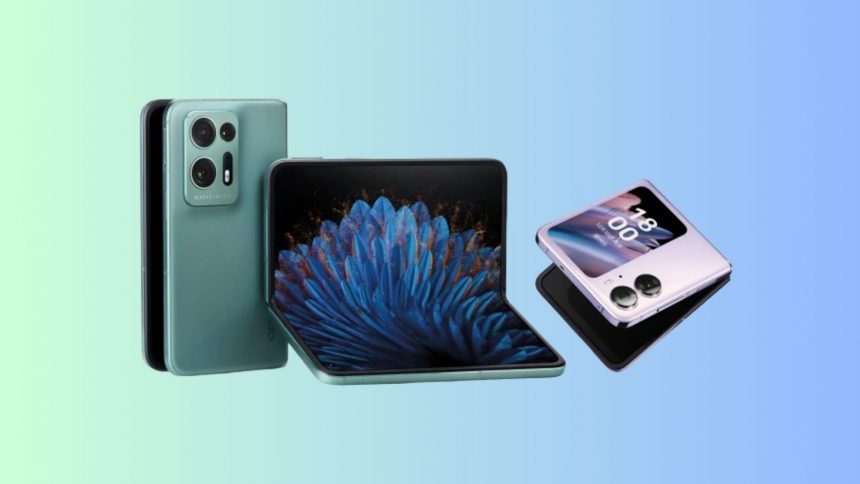
Folding phones have ignited a spark in the tech world, captivating both industry giants and everyday users. These innovative devices transcend the limitations of traditional smartphones, transforming into tablet-sized displays that redefine mobile experiences. But what lies beneath the sleek, foldable exterior? Let’s embark on a deeper exploration of the science behind folding phones, delving into the intricate mechanisms and groundbreaking materials that bring these marvels of engineering to life.
The Art of the Fold: A Symphony of Engineering Marvels
The cornerstone of any folding phone is the hinge, an engineering marvel that facilitates the smooth folding and unfolding motion while safeguarding the delicate display within. This intricate mechanism can vary in design, but often incorporates interlocking gears, flexible connectors, and robust materials like stainless steel or titanium. These components work in harmony to ensure a seamless folding experience and withstand the test of repeated use.
Nestled within the protective embrace of the hinge lies the crown jewel of the folding phone – the flexible display. Unlike traditional smartphone displays constructed from rigid glass, folding phones utilize a unique material called a polymer substrate. This special type of plastic serves as the foundation, upon which various thin-film materials are layered. These layers play a crucial role in enabling light emission and control, ultimately creating the vibrant and responsive display we interact with.
A Symphony of Innovation: Unveiling the Advantages of Folding Phones
Folding phones offer a compelling proposition for users who value both portability and functionality. Here’s a closer look at some of the key benefits these devices bring to the table:
- Enhanced Productivity: Unfolding the phone transforms it into a mini-workstation, providing a larger canvas for multitasking. Users can comfortably work on documents, browse the web with multiple tabs open, or edit photos with greater precision. This expanded screen real estate significantly improves productivity compared to the confines of a traditional smartphone display.
- Pocket-Sized Powerhouse: When folded, these devices retain the compact size and portability of a smartphone. This allows for easy storage in pockets or bags, making them ideal companions for users on the go. Whether commuting on a train or exploring a new city, folding phones ensure you have a powerful device readily available without sacrificing valuable space.
- Immersive Entertainment: The larger, unfolded display creates a more immersive experience for various activities. Watching movies becomes more captivating, gaming feels more engaging, and reading ebooks transforms into a delightful experience akin to reading a physical book. Folding phones elevate mobile entertainment to a whole new level.
- A New Form Factor: Folding phones represent a significant departure from the traditional rectangular slab design that has dominated the mobile landscape for years. This novel form factor offers a refreshing and exciting way to interact with our mobile devices, fostering a sense of innovation and pushing the boundaries of what’s possible.
Beyond the Surface: Unveiling the Inner Workings of a Folding Phone Display
The magic of a folding phone display lies in the intricate layering of various materials. Let’s delve deeper into the science behind these thin films:
- Polymer Substrate: This flexible plastic base forms the foundation of the display. It possesses the essential property of bending without breaking, allowing the phone to fold seamlessly.
- Thin-Film Transistor (TFT) Array: This layer acts as the brain of the display, controlling each individual pixel and determining its brightness and color. Made from a thin film of semiconductor material, the TFT array plays a critical role in image formation.
- Color Filters: As light passes through the TFT array, it encounters a layer of color filters. These filters selectively allow certain wavelengths of light to pass through, ultimately determining the color displayed by each pixel. Red, green, and blue filters work in combination to create the vast spectrum of colors we see on the display.
- Touch Sensor Layer: This layer enables touch interaction with the display. It typically utilizes capacitive sensing technology, which detects changes in electrical capacitance caused by a finger touching the screen. This allows the phone to register user input and translate it into on-screen actions.
- Polarizer: This final layer controls the polarization of light emitted by the display. By managing the orientation of light waves, the polarizer enhances image clarity and reduces glare, ensuring an optimal viewing experience.
The Road Unfolds: Challenges and Advancements in Folding Phone Technology
Despite their undeniable advantages, folding phones are a relatively young technology still under development. Here are some key areas where advancements are crucial for wider adoption:
Durability Concerns: The hinge and display remain the most vulnerable aspects of folding phones. Manufacturers are constantly striving to improve their durability through innovative materials and rigorous testing procedures. New hinge designs aim to minimize the appearance of a crease in the display when folded, while advancements in polymer substrates and protective coatings aim to enhance scratch and tear resistance.
- Software Optimization: Software needs to evolve further to fully exploit the unique form factor of folding phones. This includes ensuring seamless compatibility with existing applications and developing intuitive gestures for navigating the unfolded display. App developers need to adapt their user interfaces to take advantage of the larger screen real estate, allowing users to comfortably work in split-screen mode or utilize features specifically designed for the unfolded format.
- Balancing Price and Performance: Folding phones currently hold a premium price tag compared to traditional smartphones. This can be a barrier to entry for some users. As production processes become more streamlined and manufacturing costs decrease, we can expect the price of folding phones to become more competitive, making them a more accessible option for a wider range of consumers.
- Battery Life Optimization: The larger, higher-resolution displays of folding phones can place a strain on battery life. Manufacturers are exploring various avenues to optimize battery life, such as implementing more efficient display technologies and incorporating larger capacity batteries within the thinner form factor of folding phones.
Beyond the Fold: A Glimpse into the Future of Flexible Display Technology
The potential of folding phone technology extends far beyond smartphones. The concept of flexible displays has the potential to revolutionize various aspects of our lives, creating exciting possibilities for the future:
- Folding Tablets: Imagine a tablet that folds down to a phone-sized device, offering increased portability without sacrificing screen real estate. This could be a game-changer for professionals who need a powerful mobile device for work on the go, or for students who require a portable device for studying and taking notes.
- Foldable Laptops: The concept of foldable laptops presents a unique opportunity for a device that merges the portability of a tablet with the functionality of a traditional laptop. Imagine a laptop with a foldable OLED display that transforms into a compact and lightweight device for travel or everyday use. This could be ideal for users who need a powerful device for work or creative tasks, but also desire a portable option for entertainment and browsing.
- E-readers with Expandable Screens: Folding technology could revolutionize e-readers, allowing for a more comfortable reading experience with a larger unfolded display that mimics the size of a traditional book. This could enhance readability and reduce eye strain for users who enjoy reading ebooks.
- Curved and Flexible Displays: The technology behind folding displays could pave the way for curved and flexible displays in various applications. Imagine curved displays for TVs or computer monitors that create a more immersive viewing experience. Flexible displays could be integrated into clothing or wearable devices, offering a new way to interact with technology and information.
The Canvas of the Future: A New Era of Mobile Interaction
Folding phone technology represents a significant leap forward in mobile innovation. These devices offer a glimpse into the future, where our mobile companions adapt to our needs and seamlessly integrate into our lives. As the technology matures and the aforementioned challenges are addressed, folding phones have the potential to become the norm, reshaping how we interact with information, consume entertainment, and navigate the ever-evolving world of mobile technology. The future of mobile devices is unfolding before our eyes, and it’s an exciting journey to be a part of. Folding phones are more than just a gimmick; they represent a canvas brimming with possibilities, waiting to be explored and redefined.
While folding phones offer numerous advantages and exciting possibilities, it’s crucial to consider their environmental impact and the ethical considerations surrounding their production.
Environmental Impact: A Balancing Act
The manufacturing process of folding phones can involve the use of some rare-earth elements and complex materials. Additionally, the disposal of these devices requires careful handling due to the presence of electronic components and potentially hazardous materials. Here’s a closer look at the environmental considerations:
- Material Sourcing: The extraction and processing of some materials used in folding phones can have a negative impact on the environment. Research and development efforts are underway to identify more sustainable alternatives and implement responsible sourcing practices.
- Energy Consumption: The manufacturing process for these devices can be energy-intensive. Manufacturers are increasingly adopting renewable energy sources and optimizing production processes to minimize their environmental footprint.
- E-waste Management: As with all electronic devices, proper e-waste management is crucial for folding phones. Developing efficient recycling programs and implementing responsible disposal methods will be essential to minimize environmental harm.
Ethical Considerations: A Commitment to Responsible Practices
The ethical sourcing of materials and fair labor practices are critical aspects of the folding phone industry. Here’s a closer look at some key considerations:
- Labor Practices: The manufacturing of folding phones often involves complex supply chains. Ensuring fair wages, safe working conditions, and adherence to ethical labor practices throughout the entire supply chain is paramount.
- Conflict Minerals: Some rare-earth elements used in folding phones can be sourced from conflict zones. Manufacturers need to implement robust conflict minerals sourcing policies to ensure their materials are not contributing to human rights abuses or environmental degradation.
- Right to Repair: The repairability of folding phones is an emerging concern. Consumers may benefit from greater access to spare parts and repair manuals, potentially extending the lifespan of these devices and reducing electronic waste.
See Also: Using the Cosmic Microwave Background to Explore the Big Bang (blogtech.net)
The Road Ahead: A Sustainable and Ethical Future for Folding Phones
The future of folding phone technology hinges on its ability to address environmental and ethical concerns. Collaboration between manufacturers, governments, and environmental organizations is necessary to ensure the sustainable and responsible development of this technology.
Conclusion: A Canvas Painted with Innovation and Responsibility
Folding phones represent an exciting leap forward in mobile technology, offering a glimpse into a future where our devices adapt to our needs and seamlessly integrate into our lives. However, it’s crucial to acknowledge the environmental impact and ethical considerations surrounding their production. By prioritizing sustainable practices, responsible sourcing, and ethical labor conditions, the folding phone industry can pave the way for a brighter future where innovation and responsibility go hand-in-hand. As the technology matures and these challenges are addressed, folding phones have the potential to become a force for positive change, empowering users and fostering a more sustainable and ethically responsible future for mobile technology.