

Introduction Kia Niro EV
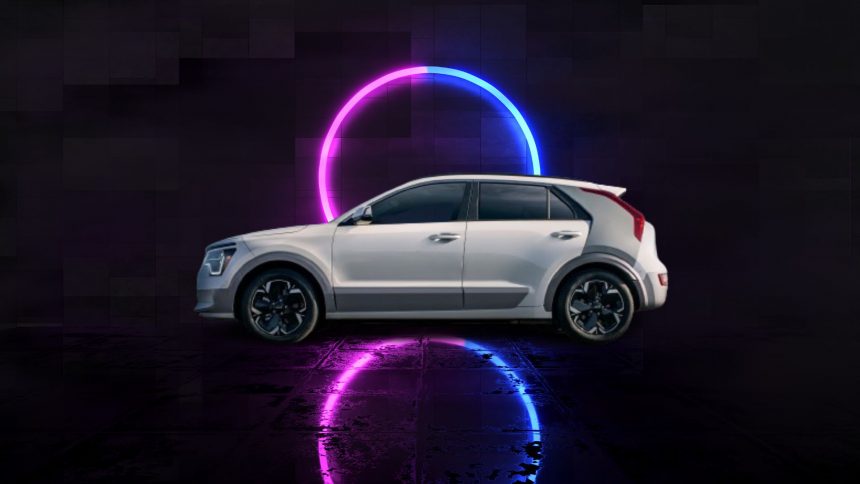
The Kia Niro EV stands as a beacon of modern automotive engineering, a testament to the strides made in the realm of electric vehicles. With its sleek design and eco-friendly prowess, it has captured the hearts of environmentally conscious drivers around the globe. Yet, beneath the surface of its acclaim, a troubling trend emerges – the rapid depreciation of the Kia Niro EV within just a year of ownership. This article delves into the enigma, shedding light on the multifaceted reasons behind this financial phenomenon and its repercussions for consumers and the industry alike.
In the electric vehicle market, where innovation is relentless, the Kia Niro EV has managed to make a significant impact. However, the depreciation of electric vehicles is a complex issue, influenced by a myriad of factors ranging from technological advancements to market dynamics. The Kia Niro EV is not exempt from these forces, and understanding them is key to unraveling the mystery of its swift decline in value.
The Depreciation Dilemma
Factors Driving Depreciation
Market Trends
The automotive industry is in a constant state of flux, with market trends significantly influencing the resale value of vehicles. For the Kia Niro EV, these trends have been a double-edged sword. On one hand, the increasing demand for electric vehicles has bolstered its initial sales. On the other, the rapid pace of technological evolution and the influx of newer models have accelerated its depreciation. The market’s voracious appetite for the latest features and performance benchmarks means that even a year-old Kia Niro EV can quickly fall out of favor, leading to a steeper drop in its resale value.
Technological Advancements
Technological advancements are the lifeblood of the electric vehicle industry, driving progress and consumer interest. However, this relentless march forward can also lead to the obsolescence of models like the Kia Niro EV at an alarming rate. As battery technology improves and more efficient models enter the market, the previous year’s vehicles can seem outdated. This perception, whether accurate or not, can significantly impact the Kia Niro EV’s depreciation, as potential buyers opt for the latest offerings with enhanced features and longer ranges.
The Financial Impact
Owner Experiences
Resale Value Concerns
The depreciation of the Kia Niro EV has raised alarms for current owners, particularly when it comes to resale value. A vehicle that loses value rapidly can be a significant financial burden, especially for those who financed their purchase with long-term loans. Owners find themselves in a precarious position, with their Kia Niro EV’s market value plummeting faster than their loan balance decreases. This negative equity situation is a stark reality for many, leaving them with fewer options should they decide to sell or trade in their vehicle.
Long-Term Ownership Costs
Beyond the immediate hit to resale value, the depreciation of the Kia Niro EV also affects the total cost of ownership. Depreciation is often the largest expense in owning a car, and when it accelerates, it can overshadow the benefits of lower fuel and maintenance costs typically associated with EVs. For prospective buyers, this rapid loss in value is a critical factor to consider, as it can significantly increase the long-term financial commitment of owning a Kia Niro EV.
The Industry’s Response
Manufacturer Initiatives
Warranty and Guarantees
In response to the depreciation concerns, manufacturers like Kia have begun to implement measures to reassure potential customers and retain the value of their vehicles. Extended warranties and guarantees are becoming more common, offering protection against unforeseen repair costs and helping to bolster resale values. These initiatives reflect an industry-wide effort to address the depreciation issue and maintain consumer confidence in the longevity and reliability of EVs like the Kia Niro EV.
See Also: Kia EV9 Unveiled: A Comprehensive Review of the Base and Summit Variants (blogtech.net)
Future Model Plans
Looking ahead, manufacturers are also focusing on future models with enhanced features and improved performance to counteract depreciation. By investing in research and development, companies aim to produce EVs that not only meet but exceed consumer expectations. The goal is to create vehicles that remain competitive and desirable over time, thus slowing the rate of depreciation and improving the overall ownership experience.
Consumer Perspectives
Buyer Expectations
The Kia Niro EV entered the market with much fanfare, promising a blend of efficiency and innovation. Buyers were drawn to its environmental credentials and the allure of cutting-edge technology. However, expectations quickly shifted as the reality of rapid depreciation set in. Consumers began to question the longevity of their investment, wondering if the initial savings in fuel and maintenance would be nullified by the loss in value. The Kia Niro EV’s depreciation has become a critical factor for buyers, who now weigh the potential financial impact against the environmental benefits.
Environmental Considerations
For many, the decision to purchase an Kia Niro EV is driven by a commitment to reduce their carbon footprint. Yet, the depreciation issue presents a dilemma. The prospect of a car losing value so swiftly raises concerns about the production and disposal impact on the environment. Buyers are starting to consider the full lifecycle of their vehicles, from manufacture to eventual retirement, and how this aligns with their ecological values. The Kia Niro EV’s rapid depreciation challenges the notion that electric vehicles are always the greener choice.
Conclusion
In conclusion, the depreciation of the Kia Niro EV is a multifaceted issue with significant implications for owners, prospective buyers, and the industry. While the Kia Niro EV continues to be a symbol of progress in the electric vehicle market, its rapid loss in value raises important questions about the sustainability of current EV models. As the industry evolves, it will be crucial to address these concerns to ensure that electric vehicles can offer not only environmental benefits but also financial stability.
FAQs
- Why is the Kia Niro EV depreciating so rapidly? The rapid depreciation can be attributed to several factors, including market trends, technological advancements, and changing consumer expectations.
- How does the depreciation of the Kia Niro EV compare to other electric vehicles? While depreciation rates vary, the Kia Niro EV has been noted for its particularly fast depreciation, which is a concern for owners and potential buyers.
- What can owners of a Kia Niro EV do to mitigate the impact of depreciation? Owners can maintain their vehicle well, stay informed about market trends, and consider the timing of resale to maximize value.
- Are there any industry measures in place to address the depreciation of electric vehicles like the Kia Niro EV? Manufacturers are offering extended warranties and focusing on future models with improved features to help retain value.
- Does the rapid depreciation of the Kia Niro EV affect its environmental benefits? Depreciation itself does not directly impact the environmental benefits of driving an electric vehicle, but it does raise questions about the full lifecycle sustainability.