

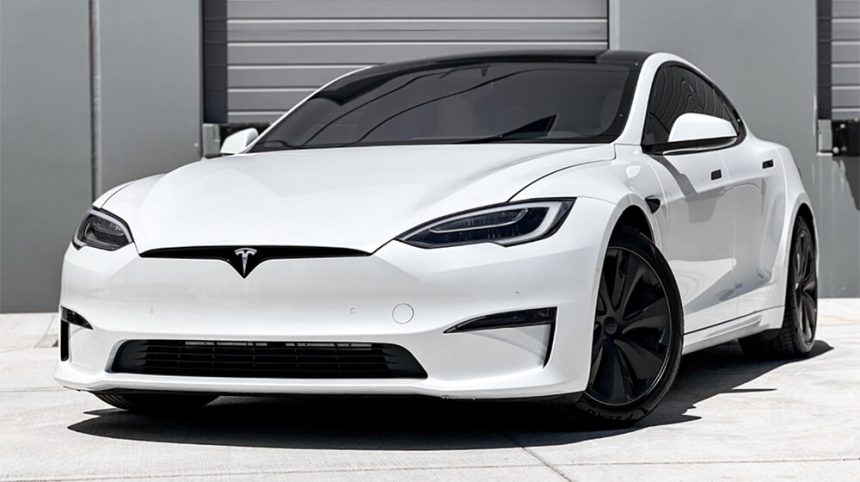
Electric vehicles (EVs) have come a long way from their slow, eco-friendly reputation. Leading the charge in high-performance EVs is Tesla, and among its most remarkable innovations is the Plaid series, which includes the Model S Plaid and Model X Plaid. These high-performance versions redefine what’s possible for electric cars, boasting unparalleled acceleration and mind-blowing top speeds.
The Tesla Plaid top speed is a game-changer in the EV industry, proving that electric vehicles can compete with and even surpass some of the fastest gas-powered supercars. But what makes the Tesla Plaid top speed so impressive? And how does it compare to traditional performance cars?
This article takes a deep dive into the Tesla Plaid top speed, its engineering, real-world performance, and how it stacks up against its competition.
Tesla Plaid: The Fastest Production EV?
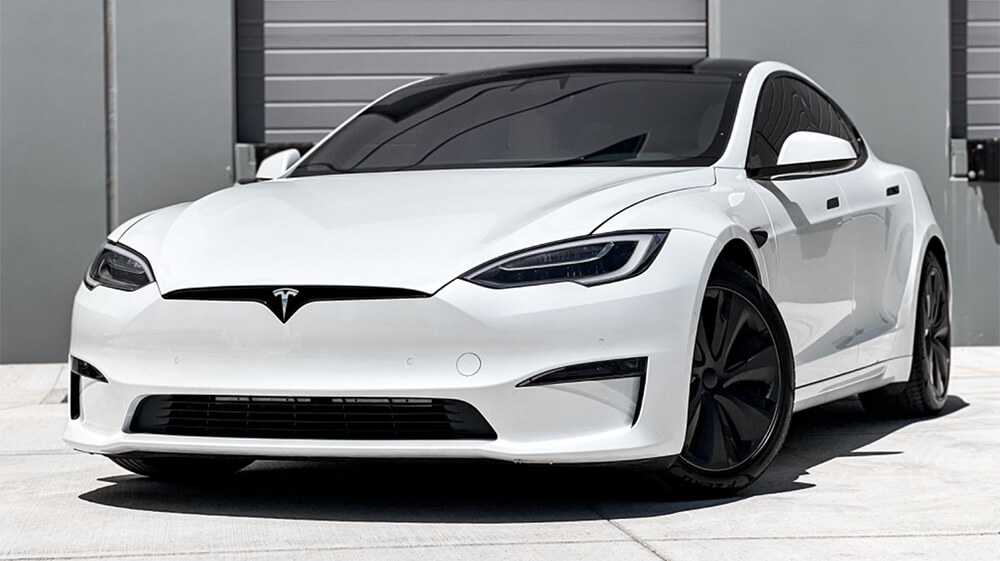
Tesla first introduced the Plaid trim in 2021, with CEO Elon Musk touting it as the quickest production car ever made. The Plaid lineup features an advanced tri-motor setup, a high-performance battery pack, and Tesla’s cutting-edge aerodynamics, all working together to deliver mind-blowing speed.
But just how fast is the Tesla Plaid top speed?
1. Tesla Model S Plaid Top Speed
- Official Top Speed: 200 mph (322 km/h) (with proper tires and software update)
- Limited Top Speed (Stock): 175 mph (282 km/h)
- 0-60 mph Time: 1.99 seconds (with rollout subtracted)
- Horsepower: 1,020 hp
The Model S Plaid holds the title as the fastest Tesla ever, capable of reaching 200 mph under optimal conditions. However, most drivers will experience a limited top speed of 175 mph due to software restrictions and stock tires.
Tesla originally capped the Plaid’s top speed to prevent overheating and ensure tire safety, but later introduced Track Mode and software updates that allow drivers to unlock the full 200 mph capability—provided they install the Michelin Pilot Sport 4S tires and ceramic brakes designed for high-speed performance.
2. Tesla Model X Plaid Top Speed
- Official Top Speed: 163 mph (262 km/h)
- 0-60 mph Time: 2.5 seconds
- Horsepower: 1,020 hp
The Tesla Model X Plaid is not far behind, boasting a top speed of 163 mph. As the fastest production SUV in the world, the Model X Plaid defies expectations with its massive acceleration despite its size and weight.
How Tesla Achieves Such High Top Speeds
Tesla’s Plaid performance isn’t just about raw power—it’s a combination of cutting-edge engineering, aerodynamics, and software enhancements. Here’s how Tesla makes it possible:
1. Tri-Motor All-Wheel Drive
Unlike previous Tesla models, the Plaid lineup features a tri-motor setup, with one front motor and two rear motors. This allows for:
- Instant torque distribution for better grip and control
- More efficient power delivery to maximize speed
- Enhanced stability at high speeds
2. Carbon-Sleeved Rotors
The Plaid motors utilize carbon-sleeved rotors, which allow them to spin at incredibly high speeds (over 20,000 RPM) without overheating or losing efficiency. This technology is one of the key reasons behind the insane acceleration and high top speed of the Model S Plaid.
3. Improved Battery and Cooling System
High-speed performance requires a battery pack capable of sustaining extreme power output. Tesla has optimized battery cooling to prevent overheating, ensuring that the Plaid maintains high performance without power loss.
4. Aerodynamics and Low Drag Coefficient
The Model S Plaid has one of the lowest drag coefficients (0.208 Cd) of any production car, allowing it to cut through the air with minimal resistance. This contributes to:
- Better efficiency at high speeds
- Reduced battery drain
- More stability during top-speed runs
5. Track Mode and Software Unlocks
Tesla’s software updates play a crucial role in unlocking the Tesla Plaid top speed. Features like:
- Track Mode (enhanced performance settings)
- Thermal management optimizations
- Performance unlock updates
These updates allow Tesla to maximize performance safely, ensuring that the car can achieve 200 mph under the right conditions.
Real-World Testing: Has Tesla Plaid Hit 200 MPH?
Although Tesla advertises a 200 mph top speed, real-world tests show that most drivers haven’t been able to reach it without modifications.
1. Drag Strip Performance
Many drag racers and Tesla enthusiasts have tested the Model S Plaid in controlled environments, achieving 175-180 mph before hitting Tesla’s software limiter.
2. Aftermarket Modifications
Some tuning shops, such as Ingenext, have successfully removed Tesla’s speed limiter, allowing the Model S Plaid to reach 216 mph (348 km/h) in independent tests.
3. Tesla’s Own Testing
Tesla has demonstrated 200 mph capabilities in their private testing, but it remains limited to track conditions with upgraded brakes and tires.
How Does Tesla Plaid Compare to Other Supercars?
Despite being an electric sedan, the Tesla Model S Plaid top speed rivals and even beats some of the world’s most famous supercars. Here’s a quick comparison:
| Car Model | Top Speed | 0-60 mph | Horsepower |
|---|---|---|---|
| Tesla Model S Plaid | 200 mph | 1.99 sec | 1,020 hp |
| Porsche Taycan Turbo S | 162 mph | 2.4 sec | 750 hp |
| Lamborghini Huracán EVO | 202 mph | 2.9 sec | 631 hp |
| Bugatti Chiron | 261 mph | 2.4 sec | 1,479 hp |
| Dodge Challenger Hellcat Redeye | 203 mph | 3.4 sec | 797 hp |
While the Bugatti Chiron still holds the ultimate speed record, the Model S Plaid dominates in acceleration, making it one of the quickest cars ever produced—electric or otherwise.
Conclusion: The Future of Tesla’s High-Speed EVs
The Tesla Plaid top speed proves that EVs are not just about efficiency—they can be performance monsters. With a 200 mph potential, record-breaking acceleration, and cutting-edge engineering, the Model S Plaid and Model X Plaid have changed the way we look at electric performance cars.
As Tesla continues to refine its technology, we may see even faster Plaid+ models in the future, pushing the boundaries of what EVs can achieve.
For now, the Tesla Plaid top speed remains a testament to how electric cars are redefining speed and performance in the modern era.