


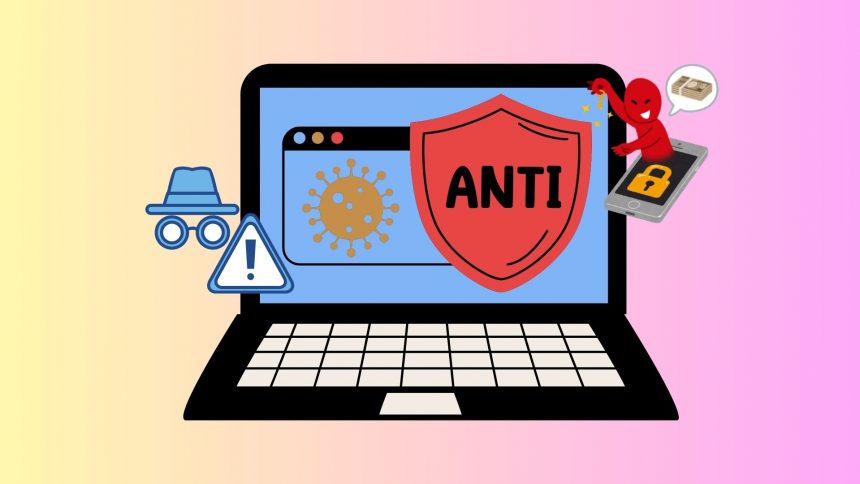
Antivirus software, a cornerstone of digital hygiene, safeguards our devices from malicious software (malware) lurking in the ever-expanding online world. But what exactly is antivirus technology, and how did it come to be?
From Humble Beginnings to Sophisticated Solutions
The story of antivirus software intertwines with the evolution of personal computers. In the 1970s, as floppy disks became a popular storage medium, a simple program called Creeper emerged. While not technically malicious, it could self-replicate across connected machines, displaying a harmless message – a playful, albeit disruptive, ancestor of modern viruses.
The need for a defense mechanism became apparent with the emergence of the first true malicious program, the “Animal” virus, in 1982. This self-replicating code could damage floppy disks, highlighting the vulnerability of early computer systems. In response, the first antivirus software, aptly named “Anti-Animal,” was created.
Combating Threats in a Digital Landscape
The digital landscape is rife with threats, and antivirus software acts as a shield against them. Malware encompasses a vast array of malicious programs, including:
- Viruses: Self-replicating code that can infect devices and spread to others.
- Worms: Similar to viruses, but they can spread without user interaction, exploiting vulnerabilities in systems.
- Trojan horses: Disguised programs that appear legitimate but harbor malicious code once downloaded.
- Spyware: Software that steals personal information without your knowledge.
- Ransomware: Malicious code that encrypts your files, demanding a ransom for their decryption.
These threats pose significant risks to individuals and organizations alike. Data breaches can expose sensitive information, financial losses can occur due to stolen credentials, and system disruptions can cripple businesses. The software acts as a vital security layer, mitigating these risks.
The Ever-Present Risk
While antivirus software is a powerful tool, it’s not foolproof. Here’s why:
- Zero-day threats: New malware can emerge that hasn’t encountered before, leaving systems vulnerable until a patch is developed.
- Social engineering: Phishing scams and other manipulative tactics can trick users into downloading malware or revealing personal information, bypassing any protection altogether.
- Human error: Clicking on suspicious links or opening infected attachments can still compromise a system, regardless of the available protection.
See Also: Avira Update Causing Windows PCs to Freeze: Troubleshooting and Potential Fixes (blogtech.net)
Weighing the Pros and Cons
Pros:
- Real-time protection: Antivirus software constantly monitors your system for suspicious activity, offering real-time protection against known threats.
- Automatic updates: Regular updates ensure your antivirus remains effective against evolving malware.
- Email and web scanning: Many antivirus programs scan incoming emails and web traffic, filtering out potential threats before they reach your device.
- Firewall integration: Some antivirus solutions include a built-in firewall, adding an extra layer of defense against unauthorized access.
Cons:
- Resource consumption: Antivirus software can slow down your system, especially during scans.
- False positives: Occasionally, antivirus programs may misidentify legitimate programs as threats, causing disruptions.
- Limited protection against advanced threats: While effective against known malware, antivirus might struggle against new and sophisticated threats.
- Potential for security vulnerabilities: Antivirus software itself can become a target for attackers, exploiting vulnerabilities to gain access to your system.
The landscape is constantly evolving. Modern solutions often incorporate additional features like:
- Behavioral analysis: This monitors programs for suspicious behavior, identifying potential threats even if they haven’t been encountered before.
- Cloud-based protection: Real-time access to a constantly updated malware database in the cloud ensures comprehensive protection.
- Sandboxing: Creates a isolated environment to safely analyze suspicious files before they can harm your system.
- Parental controls: Some programs offer features to restrict access to certain websites or applications.
A Holistic Approach to Online Safety
While antivirus software is a crucial component of online security, it’s just one piece of the puzzle. Here are some additional practices to stay safe online:
- Practice safe browsing: Be cautious about clicking on unknown links or downloading files from untrusted sources.
- Use strong passwords: Create unique and complex passwords for all your online accounts and enable two-factor authentication where available.
- Keep software updated: Regularly update your operating system and applications to patch vulnerabilities that malware can exploit.
- Be wary of phishing scams: Don’t reveal personal information in response to unsolicited emails or phone calls.
- Back up your data: Regularly back up your important data to a secure location in case of a malware attack.
The Future of Antivirus Technology
The fight against cybercrime is a continuous struggle. As attackers develop new tactics, antivirus technology needs to adapt and evolve. Here are some trends shaping the future:
- Machine Learning (ML): ML algorithms will play an increasingly significant role in identifying and blocking zero-day threats and malware variants.
- Artificial Intelligence (AI): AI can analyze vast amounts of data to predict and prevent cyberattacks before they occur.
- Behavioral Biometrics: Antivirus software might leverage behavioral biometrics, like how you use your keyboard or mouse, to identify unauthorized access attempts.
- Integration with the Internet of Things (IoT): As more devices connect to the internet, virus solutions will need to expand their reach to protect these interconnected ecosystems.
Alternative Security Solutions
While antivirus software remains a cornerstone of online security, alternative security solutions are emerging to address specific threats:
- Endpoint Detection and Response (EDR): These tools go beyond traditional antivirus by providing deeper insights into system activity, enabling proactive threat detection and response.
- Network Security Solutions: Firewalls, intrusion detection and prevention systems (IDS/IPS), and web filtering tools protect networks from unauthorized access and malicious traffic.
- Data Loss Prevention (DLP): DLP solutions prevent sensitive data from being accidentally or intentionally leaked from an organization.
Choosing the Right Ones for Your Needs
With a plethora of options available, selecting the right one can be overwhelming. Here are some factors to consider:
- Your needs: Analyze your individual or organizational needs. Gamers might prioritize performance-light solutions, while businesses might require comprehensive security suites.
- Features: Consider the features most important to you, such as real-time protection, email scanning, parental controls, or cloud-based protection.
- Budget: Antivirus software ranges from free versions with limited features to premium solutions with advanced functionalities.
A Multi-Layered Approach for a Secure Digital Life
The online landscape is a dynamic battleground, with threats constantly evolving. Antivirus software, coupled with safe online practices and a holistic security approach, is essential for navigating this digital world with confidence. By staying informed about emerging threats and adopting appropriate security measures, we can all play a vital role in protecting our devices, data, and privacy.