


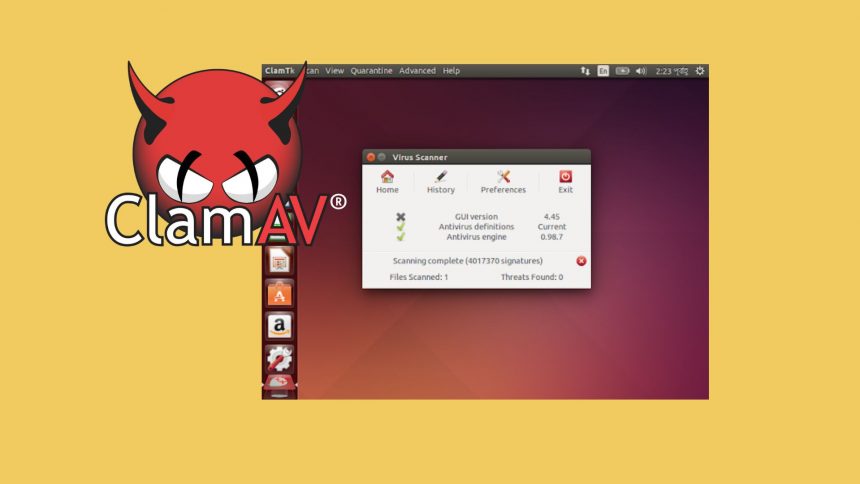
ClamAV, a widely recognized open-source antivirus toolkit, achieved a significant milestone with the release of its 1.0 version in December 2020. This marked a culmination of years of development and community contributions, solidifying its position as a leading solution for virus detection and protection on Linux-based systems.
Understanding ClamAV and its Importance
ClamAV is a free and open-source antivirus software specifically designed for Linux systems. Unlike proprietary antivirus solutions, its source code is freely available for anyone to inspect, modify, and contribute to. This transparency fosters trust and allows the community to collaboratively improve the software’s capabilities.
ClamAV offers several crucial functionalities:
- Virus Scanning: It detects malicious software (malware) like viruses, worms, trojan horses, and other harmful programs that can infect computer systems. it scans files and system directories to identify potential threats based on pre-defined virus signatures.
- Signature Updates: To stay effective against evolving threats, ClamAV relies on regularly updated virus signatures. These updates contain information about new malware variants, allowing it to continuously improve its detection capabilities.
- Command-Line Interface: ClamAV primarily functions through a command-line interface (CLI), making it suitable for scripting and integration with other security tools within Linux environments. However, GUI (graphical user interface) applications are also available for users who prefer a more user-friendly experience.
The Road to Version 1.0: A History of Continuous Improvement
The development of ClamAV began in 2000, with the initial focus on providing basic virus scanning capabilities for Linux users. Over the years, the project has undergone significant enhancements, driven by a dedicated community of developers and security professionals. Here’s a glimpse into ClamAV’s evolutionary journey:
- Early Development (2000-2004): The initial versions of ClamAV laid the foundation for virus scanning on Linux systems. Features like on-access scanning and improved signature updates were introduced during this period.
- Maturity and Growth (2005-2010): ClamAV gained wider adoption within the Linux community. The development team focused on improving scanning performance, expanding signature coverage, and enhancing compatibility with various Linux distributions.
- Focus on Stability and Security (2011-2020): The project prioritized stability and security, ensuring ClamAV remained reliable and effective against evolving threats. This phase saw improvements in malware detection algorithms and a stronger emphasis on code quality and security practices.
- Version 1.0 and Beyond (2020-Present): The release of version 1.0 signifies a major milestone for ClamAV. It represents a stable and mature codebase with a proven track record of protecting Linux systems. Looking ahead, the focus will likely shift towards further improving detection capabilities, exploring new functionalities, and maintaining compatibility with emerging technologies.
Benefits of Using ClamAV
ClamAV offers several advantages for Linux users, making it a popular choice for virus protection:
- Open-Source and Free: ClamAV’s free and open-source nature eliminates licensing costs and allows users to customize the software according to their specific needs. The open-source model fosters collaboration and transparency, leading to a more robust and secure product.
- Cross-Platform Compatibility: ClamAV functions effectively on various Linux distributions, making it a versatile solution for a wide range of users.
- Lightweight and Resource-Efficient: ClamAV is known for its low resource consumption, making it suitable for use on even older or less powerful computer systems.
- Strong Community Support: ClamAV benefits from a large and active community of developers and users. This translates to readily available support resources, troubleshooting assistance, and ongoing improvements to the software.
The Evolving Role of ClamAV
While virus scanning remains its core functionality, ClamAV’s role in the Linux security landscape is expanding. Here are some potential areas of future development:
- Integration with Security Frameworks: ClamAV can be integrated with broader security frameworks on Linux systems, providing a layered approach to system protection.
- Advanced Threat Detection: The development team might explore incorporating advanced threat detection techniques such as machine learning and behavioral analysis to identify and mitigate zero-day attacks and other sophisticated threats.
- Email Scanning: Integration with email clients for real-time email scanning can be a valuable addition, protecting users from malware received through email attachments.
ClamAV vs. Proprietary Antivirus Solutions
While it offers significant advantages, it’s essential to acknowledge the existence of proprietary antivirus solutions available for Linux. Here’s a brief comparison to help users make informed decisions:
Proprietary Antivirus Solutions:
- Features and User Interface: Proprietary solutions often boast a wider range of features, including firewalls, intrusion detection, and parental controls. They typically come with user-friendly graphical interfaces that are easier for non-technical users to navigate.
- Real-Time Protection: Some proprietary solutions offer real-time protection, constantly scanning files and system processes for suspicious activity. This can provide an extra layer of security compared to ClamAV’s on-demand scanning approach.
- Centralized Management: For organizations managing multiple Linux systems, proprietary solutions might offer centralized management consoles for easier deployment, configuration, and updates.
- Cost and Support: Proprietary solutions come with licensing fees and may offer paid support options.
Choosing the Right Antivirus Solution:
The choice between ClamAV and a proprietary antivirus solution depends on individual needs and priorities. Here’s a breakdown to help you decide:
- For Home Users on a Budget: If you’re a home user on a budget and prioritize basic virus protection for your Linux system, ClamAV is an excellent choice. Its lightweight nature, free access, and strong community support make it a valuable option.
- For Advanced Users and Organizations: Advanced users and organizations might benefit from the additional features and real-time protection offered by some proprietary solutions. Centralized management capabilities can be crucial for managing security across multiple systems.
A Holistic Approach to Linux Security
It’s important to remember that ClamAV, or any antivirus solution for that matter, is just one piece of the puzzle when it comes to securing your Linux system. A comprehensive security strategy should encompass several elements:
- Regular System Updates: Keeping your Linux system and software applications updated with the latest security patches is crucial to address vulnerabilities that malware might exploit.
- Strong Passwords and User Management: Implementing strong passwords for user accounts and practicing proper user privilege management principles helps prevent unauthorized access and potential malware execution.
- Firewall Configuration: A properly configured firewall acts as a barrier between your system and potential threats on the network.
- Security Awareness: Educating yourself and users about common security threats and best practices is essential to minimize the risk of falling victim to social engineering attacks or phishing scams.
See Also: Folding Phones: The Great Innovation of Mobile Devices (blogtech.net)
Continued Innovation and Community Support
With the release of version 1.0, ClamAV has established itself as a cornerstone of open-source antivirus protection for Linux. Looking ahead, the project’s success hinges on continued innovation, community engagement, and adaptation to the evolving threat landscape. Here are some potential areas of future development:
- Collaboration with Security Researchers: Closer collaboration with security researchers can lead to faster identification of new threats and the development of more effective detection methods.
- Focus on Emerging Threats: As cybercriminals develop new techniques, ClamAV needs to adapt by incorporating advanced threat detection capabilities and staying ahead of the curve.
- Usability Enhancements: While the command-line interface offers flexibility, exploring ways to improve the user experience for non-technical users, potentially through better GUI integration, can further broaden its appeal.
Conclusion: A Secure Future for Linux with ClamAV
ClamAV’s journey to version 1.0 exemplifies the power of open-source collaboration in creating robust security solutions. It empowers Linux users with a free, reliable, and community-driven tool for protecting their systems. By embracing continuous improvement, fostering a strong community, and adapting to the ever-changing threat landscape, it remains a vital component of the Linux security ecosystem, ensuring a safer digital future for its users.